Nina Taylor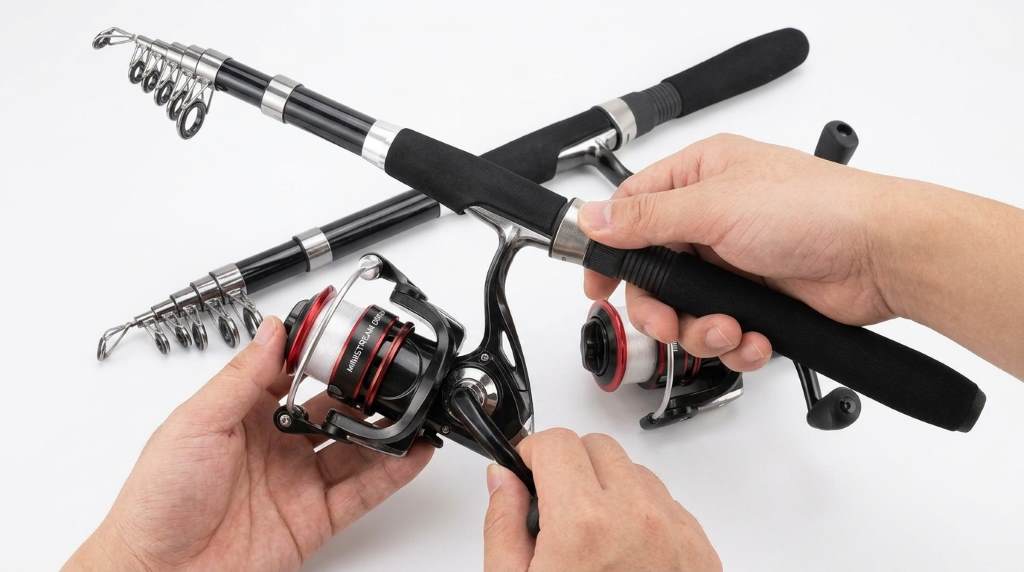
A Ministoream Fishing Rod Reel Set works best when you assemble, rig, cast, and maintain it correctly. The Ministoream Fishing Rod Reel Set can suit beginners because spinning tackle simplifies basic casting. In 2022, 39.9 million Americans aged 16 and older went fishing. A basic rod and reel setup can usually take about 15 to 30 minutes to prepare. Therefore, learning the setup process first helps prevent tangles, poor casts, and unnecessary equipment problems.
Key Takeaways
- Inspect every rod section before extending the telescopic design.
- Secure the reel firmly without overtightening the reel seat.
- Check the supplied line before adding extra line or replacing it.
- Thread the line through every guide before attaching terminal tackle.
- Set moderate drag pressure before making your first cast.
- Use smooth casting movements instead of forcing the rod forward.
- Rinse and dry the equipment after saltwater use.
Understand Your Ministoream Setup First
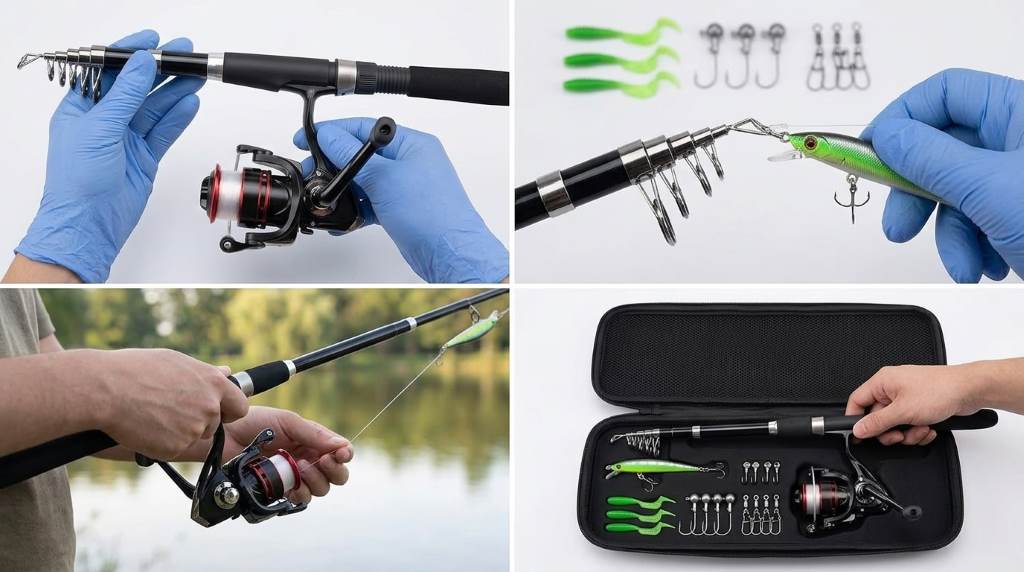
Before fishing, identify every component inside the kit and understand its purpose. Common Ministoream configurations include telescopic rods, spinning reels, fishing line, lures, hooks, sinkers, and carrying equipment.
Specifications can vary between Ministoream models and package versions. Some listings show 6.89 foot rods, spinning reels, monofilament line, and collapsible construction. Other versions use different reel sizes, line types, rod powers, or included accessories.
For that reason, check the markings on your actual rod and reel before rigging. Treat those markings as the final guide for line weight, lure weight, and intended tackle.
Know What Each Part Does
The rod provides leverage, sensitivity, and controlled movement during casting. Meanwhile, the reel stores line and controls retrieval, drag, and line release.
The bail controls line release on a spinning reel. The drag allows controlled line movement when a hooked fish pulls against the tackle.
Terminal tackle connects your fishing line with the presentation that attracts fish. Depending on conditions, that setup might include a hook, lure, sinker, swivel, or bobber.
Prepare the Rod Before Fishing
Place the rod on a clean surface before extending or assembling it. Dirt inside the joints can interfere with movement and create unnecessary wear.
For a telescopic model, extend each section gradually from the thicker base toward the tip. Stop when each section sits firmly and naturally in alignment.
Do not yank the sections apart or force them beyond their normal travel. Excessive pressure can damage delicate sections, especially near the rod tip.
Check the Rod Guides
Inspect every guide before threading the line through the rod. Look for cracks, sharp edges, loose inserts, or visible damage.
A damaged guide can scrape fishing line during casting and fighting fish. Therefore, replace damaged components before putting serious pressure on the setup.
Secure the Reel
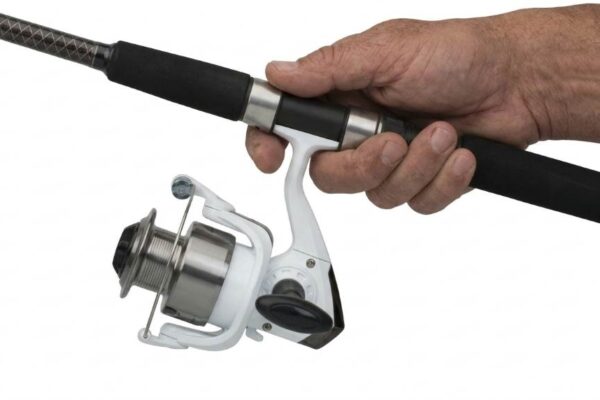
Place the spinning reel foot into the reel seat and tighten the locking rings by hand. The reel should sit straight beneath the rod without excessive movement.
Avoid using excessive force because overtightening can damage threads or reel seat components. Next, rotate the handle and check that the reel operates smoothly.
Check and Prepare the Fishing Line
Many Ministoream configurations arrive with line already installed, which can shorten the initial setup. However, inspect the line carefully before trusting it for your first cast.
Look for loose coils, visible abrasions, severe memory, or poorly filled spool areas. If the line looks damaged, replace it instead of accepting unnecessary breakage risk.
Also, compare the installed line with the rod’s stated line rating. The strongest available line does not automatically create the best fishing setup.
Thread the Line Correctly
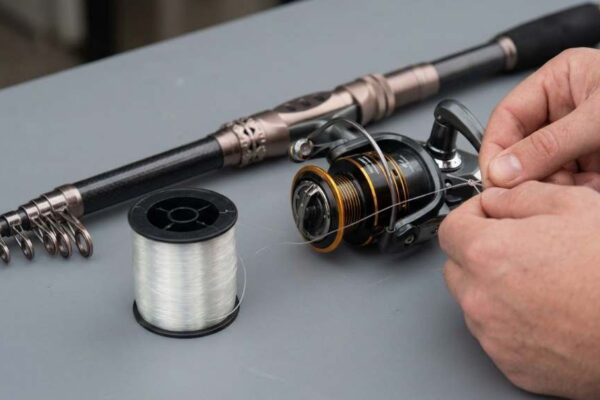
Open the reel bail before pulling line from the spool. Then run the line through every rod guide, starting with the largest guide near the reel.
Continue through each smaller guide until the line reaches the rod tip. Keep light tension on the line so it stays organized during threading.
Afterward, attach your lure, hook, or terminal rig using a suitable fishing knot. Test the connection with steady hand pressure before casting.
Set the Reel Drag Before Casting
Drag adjustment deserves more attention than many beginners give it. The drag controls how easily line leaves the spool when a fish pulls.
Turn the drag knob gradually rather than tightening it completely. Pull the line manually and check whether it releases smoothly under firm pressure.
A practical starting point uses moderate resistance rather than maximum resistance. Your exact setting should match the line rating, target fish, lure, and fishing conditions.
Why Maximum Drag Can Cause Problems
Maximum drag does not guarantee better control over a hooked fish. Excessive resistance can increase stress on the line, knot, hook, and rod.
Instead, let the drag provide controlled resistance during strong runs. You can adjust it slightly while fishing when conditions require a different response.
Attach the Right Fishing Rig
Your lure or bait should match the water, target species, and tackle rating. Avoid attaching a lure that exceeds the rod’s recommended lure weight.
For simple freshwater fishing, a hook and bait provide an easy starting point. A bobber can help beginners control bait depth and observe bites.
Artificial lures offer another option when you want to cover more water. Choose a lure that falls within your rod’s stated rating and matches the species you target.
Use a Simple Beginner Rig
- Thread the line through all rod guides.
- Tie the line to a hook or lure.
- Add a sinker when your presentation needs extra depth.
- Add a bobber when you need visible bite detection.
- Check every knot before casting.
Keep your first rig simple while learning the reel. A complicated presentation adds variables before you understand the basic casting and retrieval process.
Learn the Correct Spinning Reel Casting Motion
Spinning tackle becomes easier when you use a controlled motion instead of a hard throw. Begin by holding the rod comfortably with your dominant hand.
Open the bail with your other hand and hold the line lightly against the rod using your index finger. Keep the lure at a manageable distance below the rod tip.
Bring the rod backward smoothly and watch your surroundings before starting the forward motion. Release your finger from the line as the rod points toward your target.
Let the lure travel naturally instead of snapping the rod forward. Smooth acceleration usually provides better control than sudden force.
Practice Casting Before Reaching the Water
Practice in an open grassy area when local rules and safety conditions allow. Remove the hook or use a safe practice weight before practicing around people.
Start with short casts and focus on accuracy. Once the motion feels consistent, gradually increase casting distance.
Practice also helps you understand how different lure weights affect the rod. A heavier lure can load the rod differently than a lightweight presentation.
Control the Line After the Cast
Casting successfully represents only one part of using the setup. You also need controlled line management after the lure reaches the water.
Close the bail after the cast instead of relying only on the reel handle. Then maintain slight line tension while watching the lure or bobber.
Excess slack can hide subtle bites and create unnecessary loops. However, excessive tension can restrict lure movement and reduce natural presentation.
Retrieve the Lure Smoothly
Turn the reel handle at a steady pace and observe how the lure behaves. Adjust your retrieval speed when the target species or lure design requires it.
Use occasional pauses when fishing an artificial lure that benefits from stop and start movement. Keep the rod pointed toward the lure while maintaining enough tension for bite detection.
If a fish strikes, avoid immediately cranking the reel as hard as possible. Set the hook using a controlled movement suited to the hook and fishing technique.
Fight and Land Fish Without Overloading the Tackle
Keep the rod bent without forcing it into an extreme angle. Let the rod absorb movement while the reel manages controlled line release.
When the fish runs, allow the drag to work instead of locking it completely. When the fish slows, recover line with steady reel turns.
Keep the line away from rocks, branches, docks, and other sharp obstacles. These surfaces can damage line quickly even when the rod and reel remain intact.
Use a Landing Tool When Appropriate
A landing net can make handling larger fish easier and reduce frantic movements near shore. Keep the net ready before the fish reaches the final few feet.
Do not lift a heavy fish by the rod tip or use the rod as a crane. Bring the fish within safe reach before securing it properly.
Common Ministoream Fishing Rod Reel Set Mistakes
Most beginner problems come from small setup errors rather than complicated mechanical failures. Fortunately, you can prevent many issues with a short inspection routine.
| Problem | Likely Cause | Practical Fix |
|---|---|---|
| Line tangles | Loose line or poor spool control | Maintain light tension and close the bail correctly |
| Short casts | Wrong lure weight or restricted line | Match the lure to the rod rating |
| Line breakage | Damaged line or excessive drag | Inspect the line and reduce drag pressure |
| Reel feels loose | Loose reel seat | Tighten the locking mechanism by hand |
| Poor lure action | Incorrect retrieval speed | Adjust retrieval speed and rod position |
| Rod sections slip | Sections lack proper seating | Collapse and reseat each section carefully |
Avoid Overloading the Rod
Never assume a strong looking rod can handle every lure or fish. Always work within the ratings printed on your specific model.
Likewise, avoid lifting fish vertically with the rod. This movement places unusual stress near the tip and can cause preventable breakage.
Use the Set for Freshwater and Saltwater Carefully
Some Ministoream listings advertise use in both freshwater and saltwater environments. However, saltwater requires more cleaning because dissolved salts accelerate corrosion.
After saltwater fishing, rinse appropriate external components with fresh water. Use gentle water pressure and avoid forcing water deep into the reel.
Dry the rod and reel thoroughly before storage. Pay special attention to guides, reel connections, and exposed metal components.
Freshwater Maintenance Still Matters
Freshwater fishing does not eliminate the need for cleaning. Mud, sand, plant material, and moisture can still affect moving parts.
Wipe the rod after each outing and inspect the reel periodically. Remove visible debris before storing the equipment inside its carrying case.
Store the Telescopic Rod Correctly
Collapse the rod carefully after removing the lure and securing the loose line. Never force a section downward when dirt or grit blocks movement.
Keep the collapsed rod dry and protected from heavy objects. A compact case can reduce scratches and protect the rod during transportation.
Do not leave the setup compressed under heavy gear for extended periods. Careful storage helps preserve alignment and reduces accidental damage.
Improve Your Results With a Simple Fishing Routine
Good fishing often comes from repeatable habits rather than complicated equipment. Build a short routine that checks your setup before every session.
- Inspect the rod sections and guides.
- Check reel operation and handle movement.
- Inspect the line for abrasion and tangles.
- Test your knots with steady pressure.
- Confirm the lure matches the rod rating.
- Set moderate drag before casting.
- Check local fishing regulations before fishing.
These checks take only a few minutes once they become routine. More importantly, they reduce avoidable failures that can end a fishing session early.
How to Make the Setup Easier for Beginners
Start with one familiar rig instead of changing tackle constantly. Learning one setup makes casting, retrieval, drag control, and bite detection easier.
Next, practice accuracy before distance. Landing a lure near a productive target often matters more than making the longest possible cast.
Finally, change only one variable at a time. If your lure performs poorly, adjust retrieval speed before replacing several pieces of tackle simultaneously.
When to Replace Line or Inspect the Reel
Replace fishing line when you notice repeated abrasion, severe memory, weakened knots, or unexplained breakage. Fresh line can improve casting and reduce unexpected failures.
Inspect the reel when the handle develops unusual resistance, grinding, looseness, or inconsistent retrieval. Do not continue forcing a reel that suddenly behaves differently.
Regular inspection also helps identify small problems before they become expensive failures. This approach keeps a compact travel combo ready for the next fishing trip.
Frequently Asked Questions
How do I set up a Ministoream fishing rod?
Extend the rod, secure the spinning reel, inspect the line, thread every guide, attach your rig, and set moderate drag.
Can beginners use a Ministoream spinning reel?
Yes, spinning reels generally provide a straightforward learning path for beginners because they simplify casting and line control.
Should I replace the included fishing line?
Replace it when the supplied line shows damage, poor condition, unsuitable rating, or excessive memory for your intended fishing.
How tight should the reel drag be?
Start with moderate resistance and adjust it according to your line strength, target fish, hook, and fishing conditions.
Can I use this type of setup in saltwater?
Some Ministoream configurations advertise saltwater use, but rinse and dry the equipment after every saltwater session.
Final Thoughts
Using a Ministoream fishing setup becomes simple when you follow the correct sequence. Assemble the rod carefully, check the line, rig the tackle, set the drag, and practice smooth casting.
Then focus on controlled retrieval, sensible fish fighting, and consistent maintenance. Start with simple rigs, learn how your specific model behaves, and gradually expand your techniques.
Before your next fishing trip, inspect the complete setup and practice several casts in an open area. That small preparation step can make your first real session smoother, safer, and more productive.