Nina Taylor
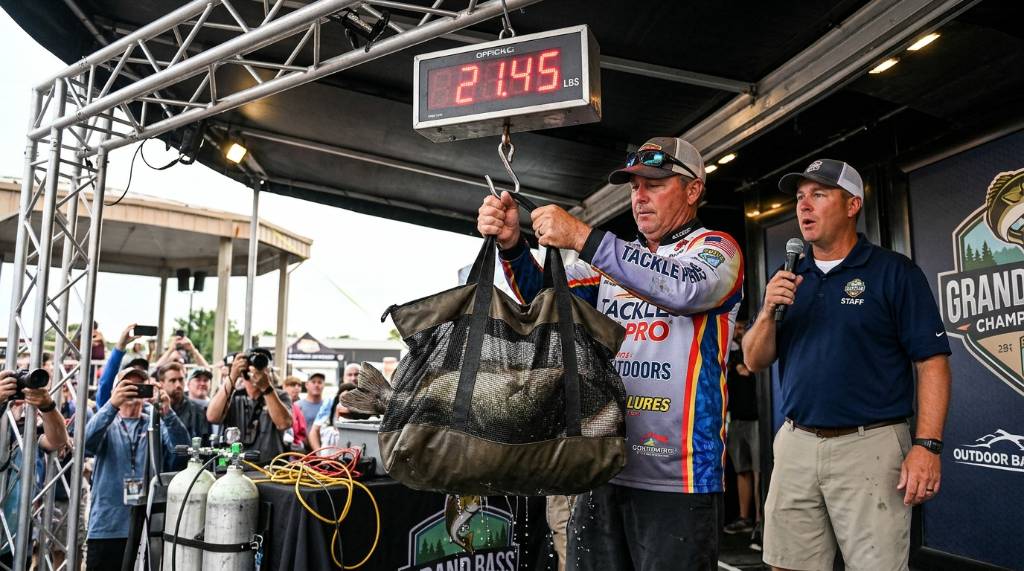
Bass fishing has one event that outshines every other. The Classic crowns the sport’s world champion, and the 2027 edition runs March 19–21 on Lake Hartwell in South Carolina. Fans often ask how it works. Who gets in? How do anglers earn their totals? What happens if a fish dies in the livewell? This guide answers those questions in plain language. Additionally, it gives you tables you can scan fast. Therefore, you can follow every weigh-in with confidence.
Quick Facts About the 2027 Event
Start with the basics. The table below shows the key details at a glance.
| Detail | Information |
| Dates | March 19–21, 2027 |
| Lake | Lake Hartwell, South Carolina and Georgia border |
| Festival host city | Greenville, South Carolina |
| Organizer | B.A.S.S. |
| Field size | 55 anglers |
| Days of competition | 3 |
| Cut | Top 25 anglers fish Day 3 |
| Daily limit | 5 bass per angler |
| Winning measure | Total weight over all fishing days |
B.A.S.S. may adjust small details before takeoff. However, the core structure has stayed steady for many years.
Where and When the Tournament Takes Place
Lake Hartwell as the Stage
Lake Hartwell covers about 56,000 acres. It sits between South Carolina and Georgia. The lake holds largemouth bass and spotted bass. It also has a big population of blueback herring. These fish roam open water, so anglers often chase bass near points, humps and channel edges.
This will be the fifth visit to Hartwell. The lake previously hosted the event in 2008, 2015, 2018 and 2022. No other venue has hosted it more often. As a result, many anglers know the water well.
Greenville and the Fan Events
The lake handles the fishing. Greenville handles the party. Fans can visit the Outdoors Expo, enjoy sponsor events and watch the weigh-ins. Meanwhile, the lake itself stays busy with boats at daily takeoff. Organizers plan to share exact takeoff spots and weigh-in venues closer to the date.
Who Fishes in the Event
How Anglers Qualify
The field is small by design. Only 55 anglers earn a spot, and every one of them wins that spot on the water. Anglers qualify through several paths:
- The Elite Series season
- The Bassmaster Open tournaments
- The B.A.S.S. Nation circuit
- The Bassmaster College Series
- The Team Championship
- The defending champion
- The winner of the final Elite Series event of the 2026 season
In short, amateurs and pros share the same boat ramp. Consequently, the field mixes seasoned veterans with fresh faces. Some anglers arrive after a lifetime of tournaments. Others arrive after one great season.
Why Small Fields Matter
A field of 55 keeps the event focused. Every angler gets attention from fans and cameras. Furthermore, a small field means a bad day can end a title run quickly. Pressure builds from the first morning.
Tournament Format: Three Days on the Water
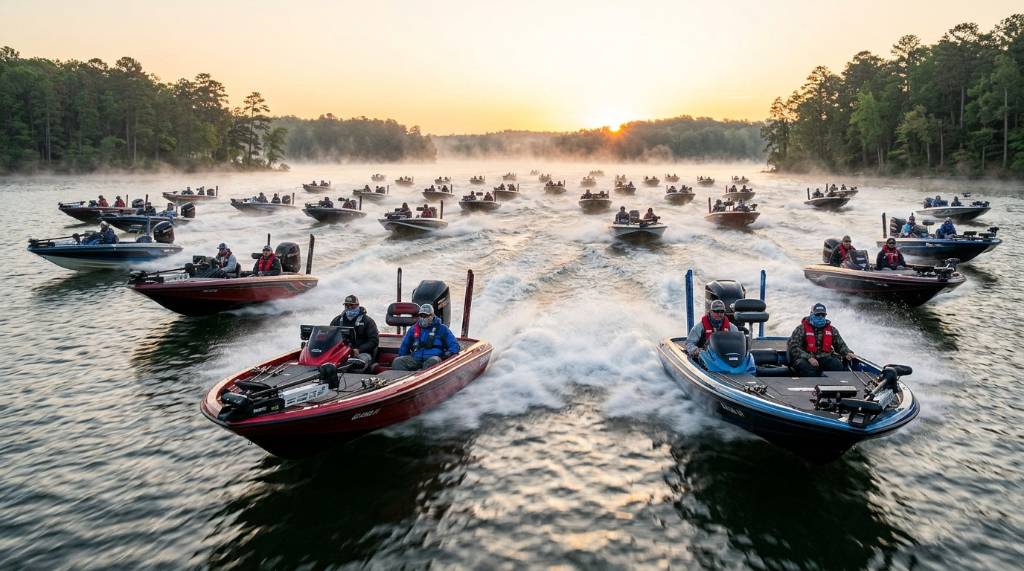
The Classic runs on a simple three-day plan. Everyone fishes the first two days. The top 25 then fish the final day. The table below shows the flow.
| Day | Who fishes | What happens |
| Day 1 | All 55 anglers | Each angler weighs a five-bass limit. Weights start the running total. |
| Day 2 | All 55 anglers | Weights add to Day 1 totals. The field drops to 25 after weigh-in. |
| Day 3 | Top 25 anglers | Final weights add to the totals. The highest total wins. |
Day One: Setting the Pace
Day 1 sets the tone. Anglers leave the ramp at first light. They have a full day to catch up to five bass. Then they return to check in and weigh their fish. A strong first day builds confidence. However, a weak one is not fatal, because two more days remain for most of the field.
Day Two and the Cut
Day 2 brings the first big drama. Anglers fish again, and officials add that weight to the Day 1 total. After the weigh-in, the field shrinks from 55 to 25. Therefore, a poor second day can end a season-long dream. Meanwhile, anglers on the bubble fight for every ounce.
Day Three: The Final Day
Only 25 anglers return for Day 3. They fish the same lake, but the conditions often change. Weather shifts. Fish move. Pressure from other boats grows. Anglers weigh their final catch on the big stage in front of a live crowd. Officials add the Day 3 weight to the two-day total. The angler with the highest overall weight wins the title.
A Typical Daily Schedule
Times can shift with the weather and local plans. Even so, each day follows a familiar rhythm.
| Step | What happens |
| Early morning | Anglers gather for a boat check and takeoff. |
| Daytime | Anglers fish and keep their catch alive in the livewell. |
| Afternoon | Anglers reach the check-in point before the deadline. |
| Evening | Officials weigh the fish at the weigh-in show. Fans watch live. |
After the weigh-in, officials release the bass back into the lake. This step protects the fishery. Additionally, it keeps the sport sustainable for future events.
Scoring: How Weight Decides the Winner
The Basic Scoring Rule
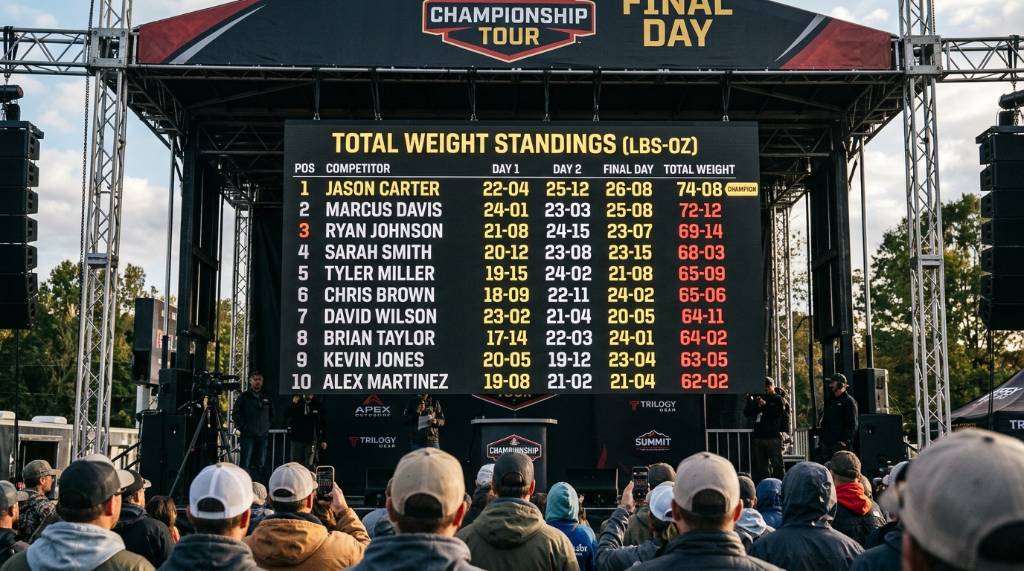
Scoring is easy to understand. Anglers do not earn points. Instead, they earn pounds. Each day, officials weigh the angler’s best five bass. The scale gives a total in pounds and ounces. Then the daily weights add together. The angler with the most total weight at the end wins.
Here is a simple example.
| Angler | Day 1 | Day 2 | Day 3 | Total |
| Angler A | 15 lb | 14 lb | 16 lb | 45 lb |
| Angler B | 17 lb | 12 lb | 15 lb | 44 lb |
Angler A wins by one pound, even though Angler B had the best single day. This example shows why steady fishing beats one lucky bite.
Penalties That Cost Weight
Penalties can swing the standings. Officials deduct weight when anglers break certain rules. The table below lists common penalties. B.A.S.S. publishes the exact numbers in its official rulebook, so check that source before the event.
| Situation | Typical result |
| Dead fish at the scale | Officials deduct a small amount of weight per fish. |
| Late check-in | Officials deduct weight for each minute late. |
| Very late check-in | Officials may wipe out the day’s weight. |
| Short fish in the bag | Officials do not count the fish and may add a penalty. |
| Serious rule violation | Officials may disqualify the angler. |
Therefore, careful fish care matters as much as finding fish. A single dead bass can decide a close finish.
Ties and Close Finishes
Ties are rare, but they happen. Officials use set tiebreaker rules from the tournament handbook. Because every ounce counts, anglers handle their fish with care and double-check their livewells before check-in.
Core Rules Every Angler Follows
Fishing Limits and Fish Size
Each angler may weigh five bass per day. Fish must meet the length rule for the lake and species. Officials check size at the scale. Additionally, anglers may not weigh fish caught outside tournament hours. Every bass must come from the official competition waters.
Boats, Gear and Practice
Each boat belongs to its owner, and each angler carries personal rods, reels and lures. However, anglers must follow the rules on gear. Some events allow forward-facing sonar and others do not. B.A.S.S. announces the sonar rule in advance, so fans and anglers know the plan.
Practice time is also limited. Anglers get a set window before the event to scout the lake. In contrast, they may not seek outside help during competition days.
Safety Rules
Safety comes first. Anglers wear life jackets when the big engine runs. Boats use a kill switch. Officials can delay or cancel takeoff for storms, wind or fog. Therefore, weather can reshape a day in minutes.
Conduct and Fair Play
Honesty is part of the rulebook. Anglers may not receive fish from others. They may not hold fish in secret livewells or release fish early without cause. Each angler also rides with an official observer on tournament days, and that observer records what happens in the boat. As a result, the tournament stays fair.
How Lake Hartwell Shapes the Scoring
Every lake changes the style of fishing. Hartwell favors anglers who read open water and match the herring. In many years, spotted bass bring big numbers. Largemouth can add heavy kickers. Because both species count, anglers can mix their five fish.
Season also matters. Cool water in March can slow the bite. However, early spring fish often move shallower, which makes them easier to reach. Past winners at Hartwell have used different styles, so no single method owns the lake.
Weather will add another layer. Cold fronts push fish deeper. Warm spells help the bite. Therefore, anglers who adapt fast gain an edge.
Prize Money and the Title
The winner earns the blue trophy, which is the most famous prize in the sport. In recent years, the champion has also received a six-figure payday. Other top finishers earn prize money as well. Sponsors, TV time and career growth often matter even more than the check.
Additionally, a win opens doors for the next season. It brings a spot in the next event and more attention from sponsors. For many anglers, the title ends a long chase.
What Fans Can Expect
Past events in Greenville drew huge crowds. The 2022 stop alone drew an estimated 154,932 fans during the week. Fans can expect:
- Live weigh-ins with music and big screens
- An Outdoors Expo full of tackle, boats and demos
- Meet-and-greet sessions with top anglers
- Family activities and local food
- Daily coverage online and on TV
Meanwhile, you do not have to attend in person. Live streams and apps show the standings in real time.
Tips for Following the Event
Follow these simple steps to enjoy the tournament more:
- Watch the Day 2 cut closely. It decides who gets a shot at the title.
- Track the total weight, not the daily winner.
- Check the weather forecast each morning.
- Look for anglers with a strong record on spotted bass lakes.
- Read the official rules page before the event starts.
Conclusion
The 2027 Bassmaster Classic keeps a format that fans know and love. Fifty-five anglers fish two days. The top 25 move on to a third day. Officials weigh five bass per angler each day, and the highest total weight wins. Penalties for dead fish and late check-in can change the final order. Lake Hartwell adds extra spice with its herring, its spotted bass and its early spring weather. Therefore, the best angler is often the one who stays calm, cares for the catch and adapts fast. Mark March 19–21 on your calendar, and enjoy the biggest stage in bass fishing.
Frequently Asked Questions
1. When is the 2027 event?
The tournament runs March 19–21, 2027, with competition on Lake Hartwell and fan events in Greenville.
2. How many anglers compete?
Fifty-five anglers earn a spot through the Elite Series, Opens, Nation, College Series, Team Championship and special berths.
3. How many days do anglers fish?
The event has three days of competition. All anglers fish the first two days, and the top 25 fish the final day.
4. How many fish can an angler weigh each day?
Each angler may weigh up to five bass per day.
5. How does scoring work?
Officials add the weight of each day’s five-bass catch. The angler with the highest total weight wins.
6. What happens at the cut?
After Day 2, the field drops from 55 anglers to the top 25. Those 25 anglers fish Day 3.
7. What penalties can anglers face?
Officials may deduct weight for dead fish and late check-in. They may disqualify anglers for serious rule violations.
8. Does the winner get all the prize money?
No. Many anglers earn prize money, but the champion takes the largest share and the title.
9. Are fish released after weigh-in?
Yes. Officials release the bass back into the lake after the weigh-in.
10. Can fans attend for free?
Some fan events are free, while others may need tickets. Check the official site for current details.