Nina Taylor
 Have you ever stood in a tackle shop, staring at a wall of reels, feeling completely lost? You are not alone. Most anglers, whether beginners or seasoned pros, struggle with this decision. The right reel can make your day on the water amazing. The wrong one can cost you a trophy catch. That is the difference between a good and a bad fishing experience.
I remember my first serious fishing trip to a lake near Kuala Lumpur years ago. I had borrowed a cheap reel from a friend. Within an hour, the drag system failed. I lost what felt like the biggest fish of my life. From that day forward, I promised myself to always choose gear carefully. That experience taught me the value of doing research before buying.
Choosing the right fishing reels does not have to feel overwhelming. With the right information, you can make a confident choice. This guide will walk you through every important factor. By the end, you will know exactly what to look for. Let us get started.
Understanding the Different Types of Fishing Reels
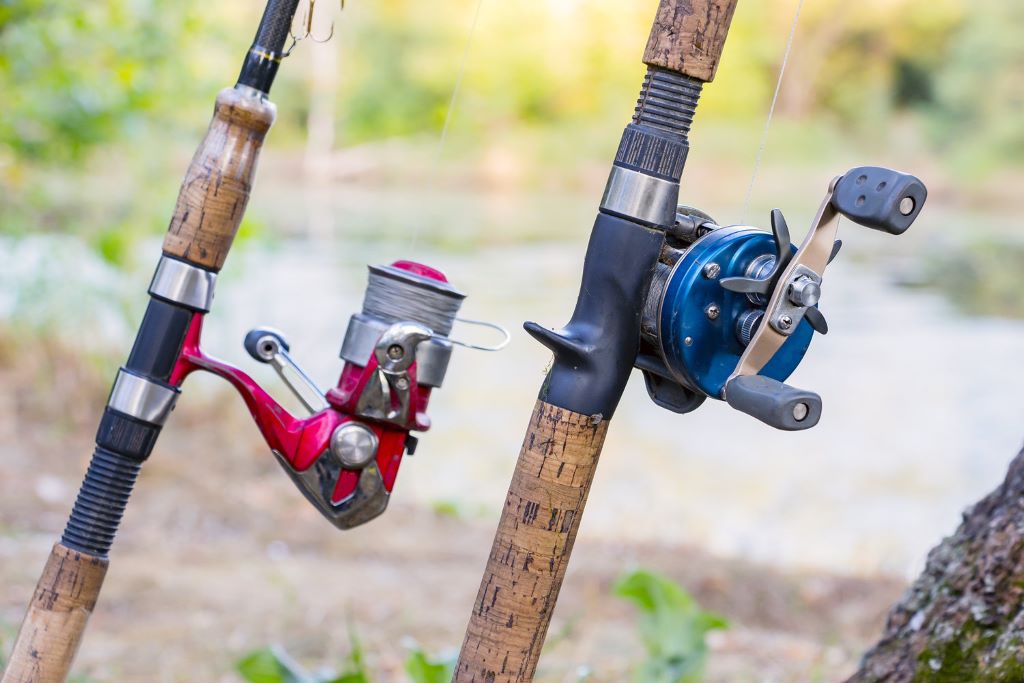
Before you buy, you need to understand the main reel types. Each type serves a different purpose. Picking the wrong type for your style of fishing is a costly mistake. There are four main categories you will come across in any tackle shop or online store.
Spinning reels are the most popular choice worldwide. They are easy to use and work well for light to medium fishing. Baitcasting reels offer more control and power. However, they have a steeper learning curve. Spincast reels are the most beginner-friendly option. They are simple but limited in performance. Finally, trolling reels are built for deep-sea and big-game fishing.
According to a 2022 industry report by the American Sportfishing Association, spinning reels account for over 60% of all reel sales in the United States. This shows how popular and trusted they are among everyday anglers. However, the best type for you depends on your specific fishing style and target species.
Here is a quick breakdown to help you decide:
- Spinning reels: Best for beginners and light tackle fishing
- Baitcasting reels: Ideal for experienced anglers targeting large fish
- Spincast reels: Great for children and casual fishing days
- Trolling reels: Designed specifically for deep-water and offshore fishing
Therefore, start by matching the reel type to your needs. This simple step will narrow down your choices considerably.
Why Gear Ratio Matters More Than You Think
The gear ratio is one of the most misunderstood features on a reel. It tells you how many times the spool rotates for every single turn of the handle. For example, a 6:1 ratio means the spool turns six times per one crank. This number directly affects your fishing technique.
A high gear ratio, such as 7:1 or above, retrieves line quickly. This is perfect for topwater lures and fast-moving baits. A low gear ratio, around 4:1 to 5:1, offers more torque. This helps when fighting large, powerful fish deep in the water. A medium ratio is a good all-around choice for most anglers.
Additionally, many experts recommend matching your gear ratio to your lure type. Slow-rolling spinner baits work best with low ratios. Fast-burning reaction lures need a high ratio to stay effective. Getting this wrong means your lure will not perform as it should.
When I upgraded from a basic 5:1 reel to a 7.1:1 ratio model, my success rate with topwater fishing improved noticeably. The faster retrieve kept the lure moving at the right speed. That small change made a big difference in my catches.
How Ball Bearings Affect Smoothness and Performance
Ball bearings are the small metal components inside your reel. They reduce friction and allow smooth, consistent operation. The number and quality of bearings both matter greatly. Do not make the mistake of simply choosing the reel with the most bearings.
A reel with 10 low-quality bearings will perform worse than one with 5 high-quality bearings. Look for reels that use shielded stainless steel or double-shielded bearings. These resist corrosion and last much longer. This is especially important if you fish in saltwater environments.
According to Fishing Tackle Retailer, one of the leading trade publications in the fishing industry, the quality of internal components like bearings is a top reason anglers choose one brand over another. Smooth, quiet operation builds trust in a reel over time.
However, do not overlook the anti-reverse bearing. This component stops the handle from turning backward. A strong anti-reverse system means zero handle play. This gives you better hook-setting power when a fish strikes.
Choosing the Right Drag System for Your Fish
The drag system is what controls the tension on your fishing line. When a fish pulls hard, the drag releases line in a controlled way. Without a good drag, you will either break your line or lose the fish. This is one of the most critical features to evaluate carefully.
There are two main drag systems: front drag and rear drag. Front drag systems are generally more powerful and precise. Rear drag systems are easier to adjust during a fight. Most experienced anglers prefer front drag systems for targeting larger species.
Always match the drag weight to your target fish. For example, if you are chasing a fish that weighs 10 pounds, your reel should have a drag capacity of at least 15 pounds. This gives you a safety margin during intense fights. Going too light is a common and expensive mistake.
Key features to look for in a quality drag system:
- Smooth, consistent pressure without sudden jerks or slipping
- A wide range of adjustment from very light to very heavy
- Sealed or water-resistant design for saltwater use
- Carbon fiber or stainless drag washers for durability
Therefore, always test the drag feel before buying. A smooth drag separates a premium reel from a budget one quickly.
Reel Materials and Build Quality for Long-Term Durability
The material a reel is made from determines how long it will last. It also affects the overall weight in your hand. Lighter is usually better, but not at the cost of strength. Understanding the main materials helps you make a smarter investment.
Graphite is the lightest common material. It is great for sensitive applications and long casting sessions. However, it is less durable under heavy pressure. Aluminum bodies are stronger and more rigid. They handle hard use and bigger fish much better. Many high-end reels use aluminum for the body and graphite for the rotor.
For saltwater fishing, corrosion resistance is non-negotiable. Look for reels with anodized aluminum or sealed components. According to Saltwater Sportsman magazine, corrosion is the number one cause of reel failure among saltwater anglers. Spending a little more on a quality saltwater reel saves you money in the long run.
Additionally, check the quality of the line roller and bail wire on spinning reels. These small parts take heavy abuse during casting and retrieving. A hard titanium-coated roller will outlast a basic stainless one many times over. Do not overlook these smaller details.
Matching Line Capacity and Type to Your Fishing Needs
Every reel has a listed line capacity. This tells you how much line the spool can hold. Getting this right is very important. Too little capacity and you might run out of line during a long fight. Too much capacity on a small reel leads to poor casting performance.
Most reels list capacity for both monofilament and braid. Braided line is much thinner than mono of the same pound test. This means you can fit much more braid on the same spool. Many modern anglers prefer braid for its strength and sensitivity.
However, if you plan to use fluorocarbon or monofilament, match the reel size to the line weight you use most often. A reel rated for 10 to 17 pound mono is a solid all-around freshwater choice. For inshore saltwater fishing, look for a reel that handles 20 to 30 pound braid comfortably.
Here is a simple guide to choosing the right reel size:
- Size 1000-2500: Light freshwater, trout, panfish, and small bass
- Size 3000-4000: Medium freshwater and light inshore saltwater
- Size 5000-6000: Surf fishing, larger inshore species, and catfish
- Size 8000 and above: Offshore and big-game fishing applications
Setting a Smart Budget Without Sacrificing Quality
Price is always a factor, but cheap is rarely the right answer when it comes to reels. A reel in the $80 to $150 range often gives you the best value. You get quality components without paying for premium brand markup. However, if you fish often or in tough conditions, investing $200 or more is worth it.
On the other hand, budget reels under $40 often have poor drag systems and low-quality bearings. They tend to fail quickly, especially under pressure. In the long run, buying a cheap reel twice costs more than buying a good one once. Think of it as a long-term investment in your hobby.
Some excellent mid-range brands include Shimano, Daiwa, Penn, and Abu Garcia. These companies offer solid performance at fair prices. You can find reliable options from all of them without breaking the bank.
Conclusion
Choosing the best fishing reel does not have to be stressful. Start by understanding what type of fishing you do most. Then think about the gear ratio, drag system, bearings, and build quality. Match the reel size to your line choice and your target species. Finally, set a realistic budget and stick to it.
A good reel is an investment in every future fishing trip you take. It can mean the difference between landing the fish of a lifetime or watching it swim away. Take your time, do your research, and make a confident choice. You deserve gear that performs when it matters most.
Have you recently upgraded your fishing reel or found one you love? Share your experience in the comments below. If this guide helped you, please share it with a fellow angler. Your support helps us create more helpful content like this.
Frequently Asked Questions
What is the most important feature to look for in a fishing reel?
The drag system is the most important feature. A smooth and reliable drag lets you fight fish without breaking your line. Everything else matters, but the drag system directly affects your ability to land fish consistently.
How many ball bearings should a good fishing reel have?
Quality matters more than quantity. A reel with five to seven high-quality shielded bearings performs better than one with ten cheap bearings. Look for stainless steel or double-shielded bearings for the best smoothness and durability over time.
Is a spinning reel better than a baitcasting reel for beginners?
Yes, spinning reels are far easier for beginners to use. They are forgiving, versatile, and require less technique. Baitcasting reels offer better accuracy and power but take more practice to use without backlashing the line.
Can I use a freshwater reel for saltwater fishing?
It is not recommended. Saltwater corrodes freshwater reels quickly. If you plan to fish in saltwater, choose a reel specifically designed and sealed for that environment. Always rinse your reel with fresh water after every saltwater fishing trip.
What reel size should I choose for general freshwater fishing?
A size 2500 to 4000 spinning reel is the best all-around choice for freshwater fishing. It handles most species and line weights comfortably. This size works well for bass, trout, walleye, and many other common freshwater fish.