Nina Taylor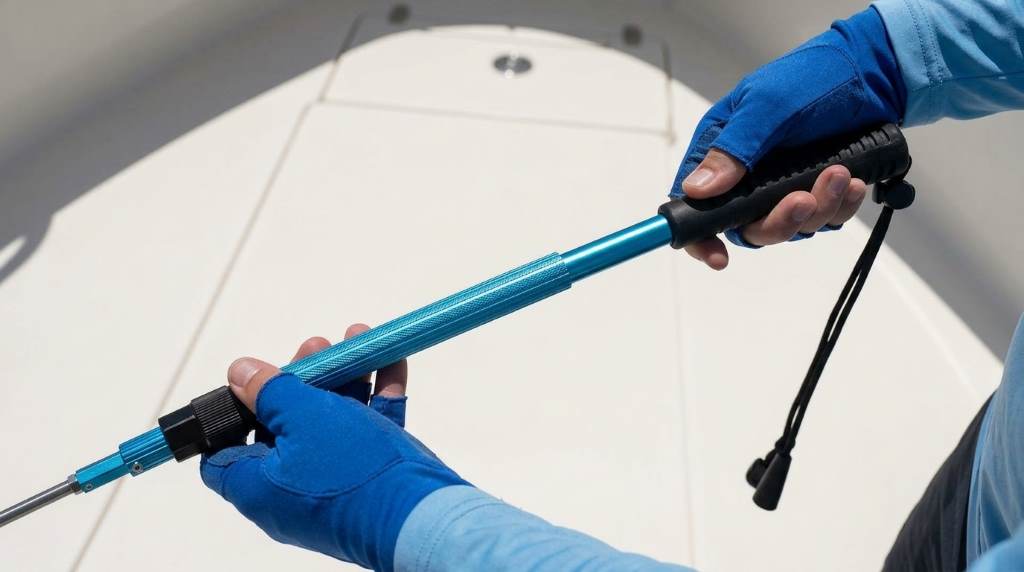
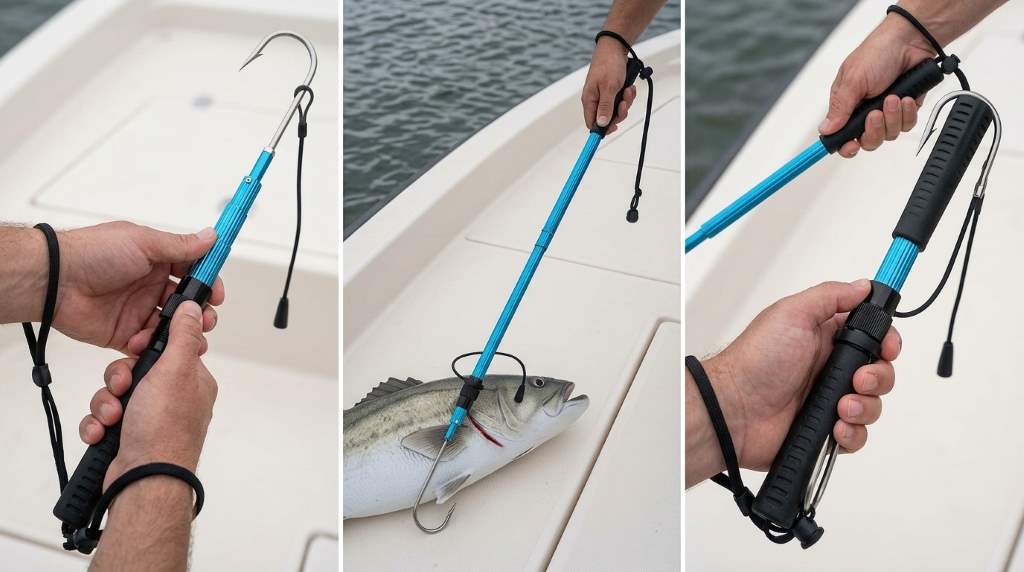
A Sanlike telescopic fishing gaff helps you land hooked fish when your hands cannot reach safely. The compact design can extend to about 55 inches while collapsing to roughly 17 inches for storage. The Sanlike Telescopic Fishing Gaff works best when you prepare it before the fish reaches the boat. Proper extension, positioning, hook placement, and controlled lifting make each landing safer.
Instead of swinging the gaff at a moving fish, first control the fish near the surface. Then place the hook where solid body tissue can support the load. Finally, pull the fish toward you with steady pressure rather than relying on the telescopic shaft alone.
Key Takeaways
- Inspect the hook, shaft, collar, handle, and protective cap before fishing.
- Extend the gaff fully and tighten every telescopic section before use.
- Control the fish before attempting the final gaffing movement.
- Aim for strong body tissue instead of soft areas or the mouth.
- Pull smoothly toward the boat instead of making sudden upward movements.
- Rinse the gaff after saltwater use and protect the hook during storage.
Understand the Gaff Before Using It
A telescopic gaff combines a pointed hook with a collapsible handle. That design gives you useful reach without requiring a permanently long tool. However, the moving sections also require careful inspection before every fishing trip.
Sanlike models commonly use an aluminum pole with a stainless steel hook and a rubber or EVA grip. Some versions also accept interchangeable attachments through a threaded connection. Therefore, always check your exact model before relying on any accessory or measurement.
Know the Important Components
The hook creates the actual connection with the fish during landing. The shaft provides reach, while the grip gives you control during the final pull. Meanwhile, the telescoping collars lock each section into the required length.
Before fishing, examine every collar for cracks, looseness, or damaged threads. Also inspect the hook for bending, corrosion, dullness, or unwanted movement. A small defect can become a serious problem when the fish suddenly pulls away.
Prepare the Gaff Before the Bite
Preparation matters because gaffing usually happens during a short window. You should never start extending the tool while a large fish waits beside the boat. Instead, prepare the gaff before the fish approaches landing range.
Remove the protective hook cover carefully and keep it somewhere secure. Extend the sections to your planned working length, then tighten each locking collar firmly. Afterward, hold the handle and apply moderate pressure to confirm that nothing slips.
Check the Telescoping Lock
A loose telescoping collar can allow the shaft to shorten during a landing attempt. That movement can reduce control and cause the hook to miss its target. Consequently, test every connection before putting the gaff within reach of the water.
Do not overtighten the collars with excessive force. Tighten them enough to prevent movement while preserving the threads and locking mechanism. If a section continues sliding after proper tightening, inspect the collar before using the gaff.
Position Yourself Before Gaffing
Your body position affects accuracy more than many anglers expect. Stand with stable footing and keep enough space around you for the gaff handle. Also avoid placing your body directly above the fish during the strike.
Keep the gaff close enough for a controlled movement rather than reaching as far as possible. Ask another angler to control the rod when available. This arrangement lets you focus entirely on hook placement and landing control.
Keep the Fish Under Control
Let the rod and reel control the fish before you make the final move. Bring the fish alongside the boat while maintaining enough line tension for predictable movement. Then wait for a moment when the fish presents a manageable angle.
Do not chase a fast moving fish with repeated gaff swings. Instead, move the gaff slowly and let the fish move toward the hook. This approach reduces missed strikes and helps prevent dangerous contact with the hook.
How to Make the Gaffing Movement
Hold the handle firmly with both hands when the fish requires substantial control. Keep the hook point facing the fish and maintain a controlled angle. Then make one deliberate movement toward the target area.
Once the hook penetrates, pull the gaff toward your body instead of lifting straight upward. Use your legs and body position to support the movement when possible. This method reduces unnecessary stress on the telescoping sections.
Avoid the Wrong Hook Placement
Do not automatically aim for the head or mouth because those areas can move unpredictably. Avoid placing the hook near delicate tissue when your fishing regulations require release. Instead, follow local rules and target appropriate body areas for legal harvest.
For fish that require careful handling, consider whether a landing net or other landing method makes more sense. A gaff causes permanent tissue damage once it penetrates. Therefore, never use it casually on fish you intend to release.
Use the Correct Technique From a Boat
Boat height changes the angle at which you can approach the fish. A longer extension can help when the gunwale sits high above the water. However, maximum extension does not automatically provide maximum control.
When the fish reaches the side, position the hook slightly behind your intended penetration point. Then move toward the fish with controlled speed and pull inward after penetration. Avoid making a large overhead swing that could destabilize your footing.
Landing Fish From a Pier or Shore
A telescopic gaff can provide useful reach when a fish remains below a pier or shoreline edge. Still, never lean dangerously over a railing while trying to reach the fish. Keep your feet secure and use the shortest practical extension.
Consider the vertical distance between you and the fish before attempting the landing. A long shaft can create leverage that feels different from a short shaft. Therefore, practice the movement without a fish before relying on the tool in difficult conditions.
How to Handle Different Fish Sizes
The size of the fish should influence how you use the gaff. A lightweight telescopic tool may handle moderate fish well but can struggle under extreme loads. Consequently, match your equipment to the expected fish instead of testing its limits unexpectedly.
For heavier fish, keep the shaft as short as practical while maintaining sufficient reach. A shorter configuration generally gives you better control over the handle. More importantly, avoid dragging a heavy fish through the water with the gaff alone.
Why Smooth Pressure Matters
Sudden force can transfer stress directly into the hook, connection, and telescoping sections. Instead, maintain steady pressure after the hook sets. If the fish surges, allow the rod handler to manage the movement rather than fighting everything with the gaff.
This technique also protects your balance during unpredictable fish movements. Keep the fish close to the boat once the hook connects. Then coordinate the lift with the other angler instead of rushing the landing.
Common Mistakes to Avoid
- Using the gaff without checking the locking collars.
- Trying to gaff a fish before controlling its movement.
- Swinging the hook widely instead of making one controlled movement.
- Using maximum extension when a shorter length would work.
- Dragging heavy fish with the telescoping pole.
- Leaving the hook exposed during transport.
- Skipping freshwater rinsing after saltwater fishing.
These mistakes often come from treating the gaff like a simple reaching tool. A fishing gaff works differently because the fish can generate sudden and unpredictable force. Therefore, preparation and coordination should always come before the final landing movement.
Cleaning and Storing the Gaff
Saltwater can leave residue on metal parts and moving connections. After each saltwater trip, rinse the gaff thoroughly with clean freshwater. Pay particular attention to the hook, threaded connection, telescoping collars, and handle area.
Dry the tool before collapsing it for storage. Do not store the gaff with moisture trapped between telescoping sections. Also keep the protective hook cover installed whenever the tool sits inside a vehicle, tackle bag, or storage compartment.
Keep the Hook Ready
A dull hook can require more force during the landing movement. Inspect the point regularly and maintain it according to the hook material and manufacturer guidance. Replace a damaged hook instead of attempting to compensate with excessive force.
Check the shaft after every demanding trip for bending or unusual movement. Also inspect the threaded connection for looseness or damaged threads. These small checks can prevent equipment failure during your next landing.
When a Telescopic Gaff Makes Sense
| Fishing Situation | Useful Approach | Important Consideration |
|---|---|---|
| Boat fishing | Prepare the gaff before landing | Keep stable footing |
| High gunwale | Use enough extension for reach | Avoid unnecessary maximum length |
| Pier fishing | Use controlled downward positioning | Never lean dangerously |
| Moderate fish | Use steady inward pressure | Control the fish first |
| Catch and release | Consider another landing method | Avoid unnecessary injury |
| Saltwater trips | Rinse after every outing | Protect metal connections |
What Searchers Often Miss About Gaff Technique
Many basic guides explain what a fishing gaff does but skip the details that determine successful use. They often overlook collar checks, extension control, body positioning, fish movement, and post use maintenance. Those practical details matter because the tool works under sudden load.
Another overlooked issue involves choosing extension length before the landing attempt. Longer reach sounds useful, yet excessive extension can reduce control. A better approach uses the shortest practical configuration that safely reaches the fish.
Searchers also need clearer guidance about when not to gaff a fish. Regulations, species handling rules, fish size, and release intentions can change the correct landing method. Always follow applicable fishing regulations before using a gaff on a specific species.
A Simple Pre Landing Checklist
Before the fish reaches the boat, confirm that the hook looks secure and the shaft feels stable. Next, check your footing and confirm that another angler understands the landing plan. Finally, remove unnecessary obstacles from the area around you.
- Hook point inspected
- Protective cover removed safely
- Telescoping collars tightened
- Correct extension selected
- Stable footing confirmed
- Fish movement controlled
- Landing partner ready
Once those checks pass, keep the gaff pointed away from people until the final movement. Make one controlled attempt instead of repeatedly striking at the fish. After landing, secure the fish and immediately control the exposed hook.
Frequently Asked Questions
How do you extend a Sanlike telescopic fishing gaff?
Extend each section carefully, then tighten the locking collars firmly before applying landing pressure.
Can you use a Sanlike gaff in saltwater?
Yes, its corrosion resistant components suit saltwater use, but freshwater rinsing remains essential after every trip.
How do you prevent a telescopic gaff from collapsing?
Inspect each locking collar and tighten every section securely before approaching the fish.
Should you gaff fish you plan to release?
No, use a suitable landing net or another low injury method when releasing the fish.
How should you clean a telescopic fishing gaff?
Rinse it with freshwater, dry every section, inspect the connections, and cover the hook before storage.
Final Thoughts
Using a Sanlike telescopic fishing gaff effectively requires more than simply extending the handle. Prepare the tool, control the fish, position yourself securely, and make one deliberate landing movement. Afterward, rinse and inspect the gaff so it remains ready for the next trip.
Before your next fishing outing, practice the extension and landing motion with an unloaded gaff. Check your local fishing rules and confirm that gaffing suits the species you target. With proper preparation and controlled technique, you can make the landing process more deliberate and manageable.