Nina Taylor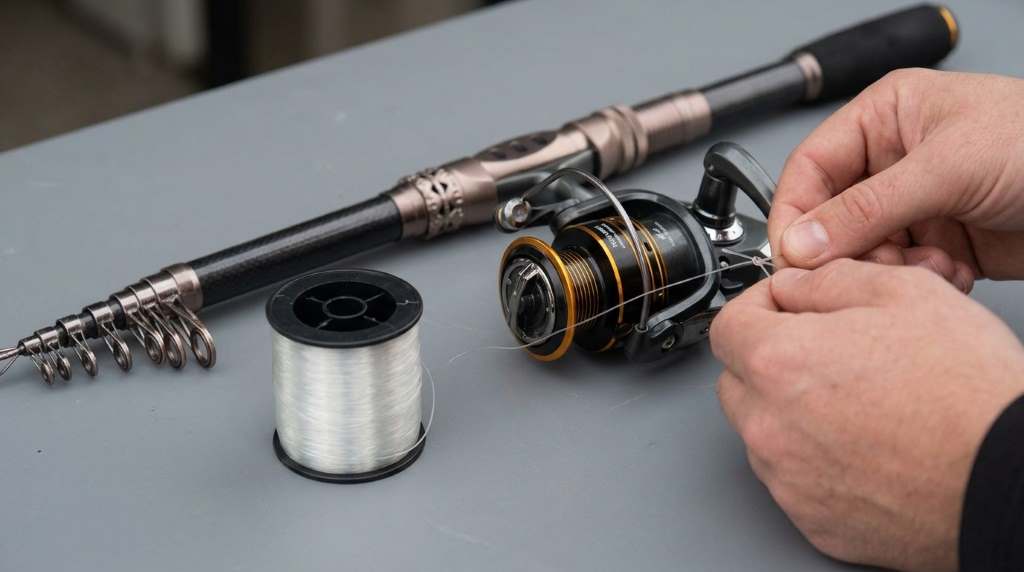
To set up a Plusinno fishing combo, assemble the rod, attach the spinning reel, spool the line, and rig your lure. Then check the drag, guides, bail, and line tension before your first cast. The Plusinno Fishing Rod Reel Combo gives beginners a convenient starting point for freshwater fishing. In 2025, about 57 million Americans went fishing at least once. The same year also recorded about 918 million fishing outings nationwide. Therefore, a simple setup guide can remove several common beginner mistakes.
Key Takeaways
- Inspect every rod section before attaching the reel.
- Align every guide before threading the fishing line.
- Mount the spinning reel firmly without overtightening it.
- Spool the line under steady tension to reduce line twist.
- Fill the spool carefully without covering its edge.
- Set the drag before attaching your final lure or bait.
Check the Combo Before Assembly
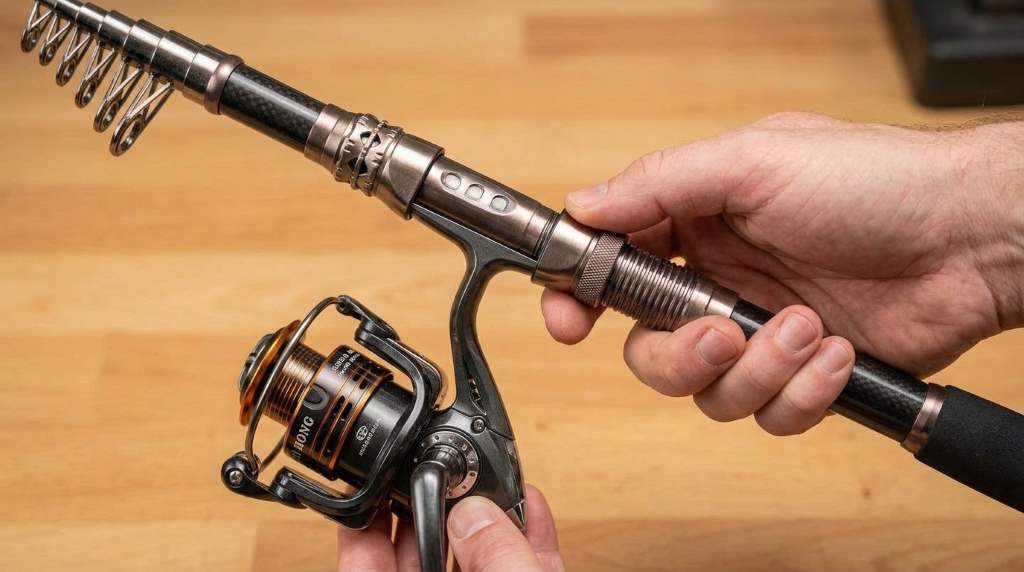
Start by placing every component on a clean, flat surface. Check the rod, reel, line, tackle, and storage accessories for visible damage. Also, compare your package with its included parts list before assembly. Plusinno sells several combo versions, so the included equipment can differ between models.
Many Plusinno telescopic combos use an HA3000 spinning reel. That reel commonly features a 5.2:1 gear ratio and interchangeable handle. Some versions also include fishing line, hooks, lures, and other tackle. Consequently, confirm your exact model before following specifications from another Plusinno combo.
Inspect the Rod Sections
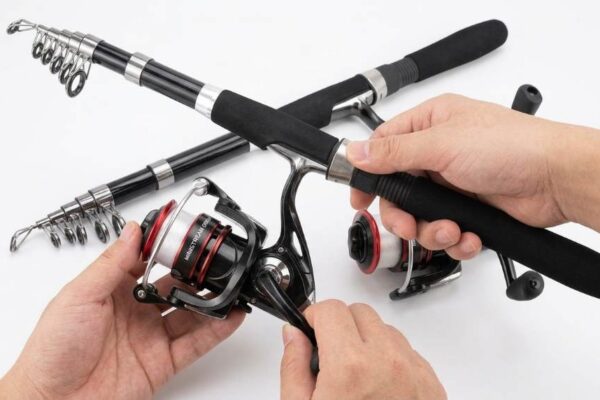
Extend a telescopic rod slowly instead of forcing each section outward. Each section should move smoothly and lock into position without excessive pressure. Check the guides for cracks, loose inserts, or obvious bends. Additionally, make sure the tip section sits straight before continuing.
For a two piece rod, connect both sections with controlled pressure. Align every guide so they form one straight path toward the handle. Do not twist the sections aggressively during assembly. A clean guide path helps the line travel smoothly during casting.
Attach the Spinning Reel Correctly
Locate the reel seat above the rod handle. Loosen the locking ring enough to create space for the reel foot. Next, slide the reel foot completely into the reel seat. Then tighten the locking ring until the reel feels stable.
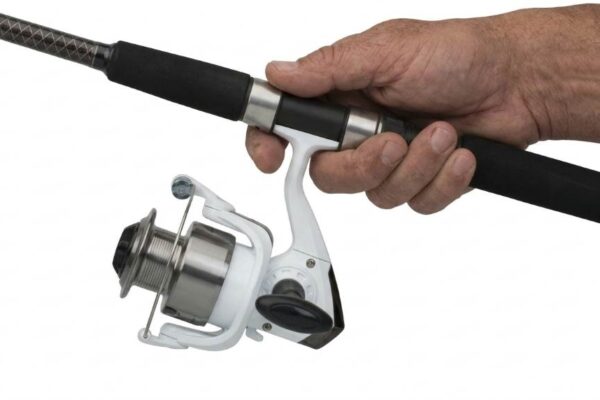
A spinning reel should hang underneath the rod during normal use. Hold the rod naturally and check whether the reel sits directly below the blank. If the reel feels loose, tighten the seat slightly. However, avoid excessive force because overtightening can damage the reel seat.
Check Reel Balance
Hold the assembled rod near the handle and let the reel hang naturally. The setup should feel stable without requiring excessive wrist pressure. If the rod constantly drops forward, inspect the assembly before fishing. Proper balance makes repeated casting more comfortable.
Next, rotate the reel handle several times. The bail should move smoothly around the spool without unusual grinding or resistance. Also, confirm that the anti reverse function works as expected. These simple checks can reveal problems before you reach the water.
Prepare the Fishing Line
Choose line according to your target species, lure weight, and the model specifications. Many beginner freshwater setups work well with moderate monofilament line. However, your reel spool should always guide the final line choice. Check the printed capacity before filling the spool.
Plusinno HA3000 specifications can vary by product version, but common capacities include several line diameter options. For example, one current HA3000 specification lists 0.20 millimeter line at 240 meters. It also lists 0.25 millimeter line at 200 meters and 0.30 millimeter line at 140 meters. Therefore, avoid assuming every Plusinno combo uses identical capacity.
Open the Bail Before Spooling
Open the reel bail before attaching the line to the spool. This allows the line to sit correctly against the spool during the initial connection. Run the line through the first rod guide before tying it to the reel. Keep the line under light tension while working.
Use a simple arbor knot to secure monofilament around the spool. Trim the loose tag end after tightening the knot. Then close the bail manually before winding the line. Starting carefully prevents unnecessary loose loops around the spool.
Spool the Reel Without Creating Line Twist
Place the line spool flat on a clean surface. Feed the line through the first rod guide and maintain steady tension. Begin turning the reel handle slowly while watching the line lay. If the line starts forming loose coils, stop and correct the spool position.
Line twist remains one of the most common spinning reel problems for beginners. Therefore, do not rush the spooling process. Keep moderate tension throughout the entire winding process. Also, inspect the spool regularly to ensure the line forms even layers.
Know When to Stop Filling
Do not pack fishing line tightly against the very top edge of the spool. Leave a small amount of visible space near the spool lip. A practical target sits roughly one to two millimeters below the edge. This balance supports smooth casting without encouraging excessive loops.
Underfilling can also reduce casting distance. Too much line can create loose coils and frustrating tangles. Therefore, stop winding when the line approaches the correct level. Then secure the remaining line with the reel line keeper if your model provides one.
Thread the Line Through Every Guide
After spooling, open the bail again before threading the rod. Pull several inches of line from the reel and guide it through each rod guide. Start with the largest guide near the reel and continue toward the tip. Make sure no guide gets skipped during this process.
Keep the line outside the guide rings until you deliberately pass it through. Missing one guide can create unusual casting resistance. It can also produce a sudden loop near the rod tip. Consequently, inspect the complete guide path before attaching tackle.
Check the Line Path
Hold the rod horizontally and inspect the line from the reel toward the tip. The line should travel through the center of every guide. It should not wrap around the rod blank or neighboring hardware. If anything looks unusual, open the bail and correct it immediately.
Attach Your Hook, Lure, or Bait
Now connect the terminal tackle that matches your fishing method. Beginners can start with a simple hook, small lure, or basic bobber setup. Use an appropriate knot and tighten it carefully. Trim the tag end close to the knot without cutting the main line.
A simple improved clinch knot works well for many common fishing applications. However, different lines and tackle can require different knots. Practice the knot at home before your first fishing trip. A strong knot gives you more confidence when a fish strikes.
Keep the First Rig Simple
A complicated rig adds unnecessary variables during your first session. Start with one hook or lure that matches your target species. Add a bobber or sinker only when the fishing method requires it. This approach makes troubleshooting much easier.
For example, a beginner targeting panfish can use a small hook and light bait. A bass angler may prefer a simple soft plastic lure. Meanwhile, a pond angler can start with a basic bobber presentation. Always match your terminal tackle with local fishing conditions and regulations.
Set the Drag Before Casting
The drag controls how easily line leaves the reel when a fish pulls. Turn the drag knob gradually until the spool releases line under firm pressure. Avoid locking the drag completely for normal beginner fishing. A controlled drag helps protect lighter line during sudden runs.
Test the drag by pulling the line steadily with your hand. The line should release smoothly rather than jerk repeatedly. If the drag feels uneven, inspect the spool and line first. Then make small adjustments before casting.
Do a Full Pre Cast Inspection
Before casting, hold the rod naturally and inspect the complete setup. Check the reel seat, handle, bail, line, guides, knot, and lure. Confirm that the bail opens and closes without resistance. Also, make sure no line wraps around the rod blank.
Next, pull several inches of line from the reel. The line should move freely when you open the bail. Close the bail manually before starting your cast. This quick inspection can prevent many avoidable tangles.
Extend a Telescopic Rod Safely
If your Plusinno combo uses a telescopic rod, extend it from the largest section upward. Pull each section gently until it feels secure. Avoid twisting each section aggressively while extending the rod. Excessive force can place unnecessary stress on the rod joints.
After extending the rod, check the guide alignment again. Telescopic sections can shift slightly during handling. Therefore, realign the guides before threading the line. Collapse the rod in reverse order after fishing.
Collapse It Without Damaging Sections
Start collapsing from the smallest tip section. Move downward one section at a time using gentle pressure. Keep sand, grit, and moisture away from the joints whenever possible. Clean dirty sections before collapsing the rod for storage.
Never slam telescopic sections together during storage. Small particles can become trapped between sections and cause wear. Instead, wipe each section with a soft cloth. Then store the rod in its case or another protected location.
Common Plusinno Setup Problems and Fixes
| Problem | Likely Cause | Practical Fix |
|---|---|---|
| Loose reel | Reel seat needs adjustment | Tighten the locking ring by hand |
| Line loops | Overfilled spool or line twist | Remove excess line and respool carefully |
| Poor casting | Incorrect line path | Check every rod guide |
| Uneven line lay | Loose winding tension | Maintain steady pressure while spooling |
| Drag feels rough | Incorrect drag adjustment | Loosen and test the drag gradually |
| Rod feels awkward | Sections or reel sit incorrectly | Check alignment and reel positioning |
Improve Casting Before Your First Fishing Trip
Practice casting with a safe practice weight before using a hook. Choose an open area without people, vehicles, or overhead obstacles. Keep the line controlled with your casting hand before opening the bail. Then release the line smoothly during the forward motion.
Start with short casts rather than immediately chasing maximum distance. Short practice casts help you understand the reel and rod response. Gradually increase distance as your timing improves. This method also helps identify line problems before they become frustrating.
Control the Bail Manually
After the lure lands, close the bail by hand when practical. This habit can reduce unnecessary wear and improve line control. Then turn the handle until the line sits evenly against the roller. Avoid using the reel handle to force a closed bail.
Next, watch how the line leaves the spool during retrieval. The line should move smoothly without excessive slack. If loose coils appear, pause and inspect the spool. Small corrections now can prevent larger tangles later.
Freshwater and Saltwater Setup Considerations
Freshwater fishing usually creates fewer corrosion concerns than saltwater fishing. Still, you should rinse exposed equipment after every trip when necessary. Salt residue can affect metal components, guides, and reel parts. Therefore, cleaning matters even when the combo appears visually clean.
Do not assume every Plusinno combo suits heavy saltwater use. Product construction and component specifications differ between models. Check the exact model before targeting large saltwater species. For light coastal use, follow careful rinsing and drying practices after each trip.
Clean the Combo After Fishing
Wipe the rod with a clean, slightly damp cloth after use. Remove dirt from the reel exterior and guide areas. Let the equipment dry fully before placing it inside a closed case. Proper drying helps reduce moisture related problems during storage.
Inspect the line for rough spots after fishing around rocks or heavy cover. Replace damaged line instead of trusting a visibly weakened section. Also, check the knot before every new fishing session. These small habits can prevent sudden tackle failures.
What Beginners Often Get Wrong
- They attach the reel without checking the seat.
- They spool the line without maintaining tension.
- They fill the spool completely to the edge.
- They skip one or more rod guides.
- They tighten the drag too aggressively.
- They force telescopic sections during extension.
- They ignore line damage after fishing around cover.
These mistakes look minor, yet they can affect casting and line control. Fortunately, each problem has a simple prevention step. Slow assembly usually saves more time than rushed correction. Therefore, inspect the setup before every fishing trip.
A Simple Five Minute Pre Fishing Checklist
Before leaving home, inspect the rod and confirm every section sits correctly. Next, check the reel seat, handle, bail, spool, and drag. Then inspect the line for abrasion, knots, or unusual loops. Finally, confirm that your lure or bait matches your planned fishing method.
- Rod sections secure
- Guides aligned
- Reel firmly mounted
- Line evenly spooled
- Bail working correctly
- Drag adjusted
- Knot tightened
- Lure or bait secured
Once everything passes this checklist, make a few controlled practice casts. Listen for unusual reel sounds and watch the line during retrieval. If the setup behaves normally, you can begin fishing with greater confidence. A careful five minute check can prevent an afternoon of avoidable problems.
When to Replace the Fishing Line
Fishing line does not last forever, even when the reel remains in good condition. Replace line when you notice severe abrasion, repeated tangles, stiffness, or unexplained breaks. Also, inspect line after fishing around rocks, docks, brush, or other sharp cover.
Fresh line can improve casting and reduce memory related loops. However, do not replace line solely because the combo is new. Inspect the supplied line first and test its condition. Upgrade when the existing line does not match your fishing needs.
Final Setup Check Before You Fish
Your Plusinno combo should now have a secure reel, correctly aligned guides, and properly spooled line. The lure should sit securely while the drag should release line smoothly under firm pressure. Finally, confirm the bail operates correctly before making your first cast.
Remember that model specifications can differ across Plusinno combo versions. Always verify your reel capacity and recommended equipment before changing line or tackle. Start with simple rigs, practice controlled casts, and inspect your setup regularly. That routine will make the combo easier to use and maintain.
Frequently Asked Questions
How do I attach a Plusinno reel to the rod?
Slide the reel foot into the reel seat and tighten the locking ring until the reel stays firmly in place.
What line should I use with a Plusinno combo?
Use line that matches your exact reel capacity, target species, fishing method, and local conditions.
How much line should I put on the reel?
Fill the spool close to the lip while leaving a small visible gap to reduce loose loops.
Why does my Plusinno reel create line loops?
Loose loops usually result from line twist, excessive spool filling, slack retrieval, or incorrect spooling.
Should I adjust the drag before fishing?
Yes, set the drag before fishing so the spool releases line smoothly when a fish pulls.
Conclusion
Setting up a Plusinno fishing rod and reel combo becomes straightforward when you follow the correct sequence. Assemble the rod, secure the reel, spool the line carefully, thread every guide, and adjust the drag. Then perform a complete inspection before your first cast.
Use this checklist during your next setup and correct small issues before they affect your fishing. Start with simple tackle and controlled casts while learning the combo. With consistent preparation, you can spend less time fixing equipment and more time fishing. Get your Plusinno combo ready, practice the setup, and make your next trip count.