Nina Taylor
In the heart of Amazonia, where lush rainforests meet winding rivers, cultural fishing traditions in Amazonia thrive as a lifeline for indigenous communities. These practices, passed down through generations, weave together survival, spirituality, and respect for nature. From handcrafted nets to sacred rituals honoring river spirits, fishing is more than a task—it’s a cultural cornerstone. This blog post dives into the rich heritage of Amazonian fishing, exploring how ancient wisdom harmonizes with modern challenges. Join me as we journey through the rivers of Amazonia, uncovering stories that ripple across time. I’ll share insights from my own visit to a riverside village, where I witnessed the beauty of these traditions firsthand.
The Heartbeat of Amazonian Rivers
The Amazon River and its tributaries, like the Negro and Solimões, pulse with life, sustaining communities for millennia. Fishing in Amazonia is not just about food; it’s a cultural practice steeped in history. Indigenous groups like the Kayapó and Tukano rely on rivers for protein, using techniques that respect the ecosystem. For instance, they craft nets from natural fibers, ensuring minimal environmental harm. These methods reflect a deep understanding of nature’s balance, honed over centuries.
Moreover, fishing shapes social bonds. Communities gather to share catches, strengthening ties through collective effort. According to a 2024 study by ResearchGate, fishing provides up to 70% of protein for Amazonian indigenous diets, highlighting its vital role. These traditions, however, face threats from modernization, yet they endure, adapting while preserving their essence.
Ancient Techniques, Modern Resilience
Amazonian fishing techniques are a testament to ingenuity. Handmade nets, bows, and arrows remain common, designed to target specific fish like the arapaima or tucunaré. These methods, passed down orally, ensure sustainability. For example, the Tukano avoid overfishing by rotating fishing grounds, a practice rooted in ancestral knowledge. This respect for nature contrasts with modern commercial fishing, which often depletes resources.
My visit to a Tikuna village revealed this balance. I watched elders teach young fishers to weave nets, their hands moving with practiced grace. Despite challenges like river pollution, these communities adapt. A 2024 report by MapBiomas notes a 16% loss of Amazonian water bodies since 1985, pushing locals to innovate. Yet, their resilience shines, blending old ways with new solutions to protect their heritage.
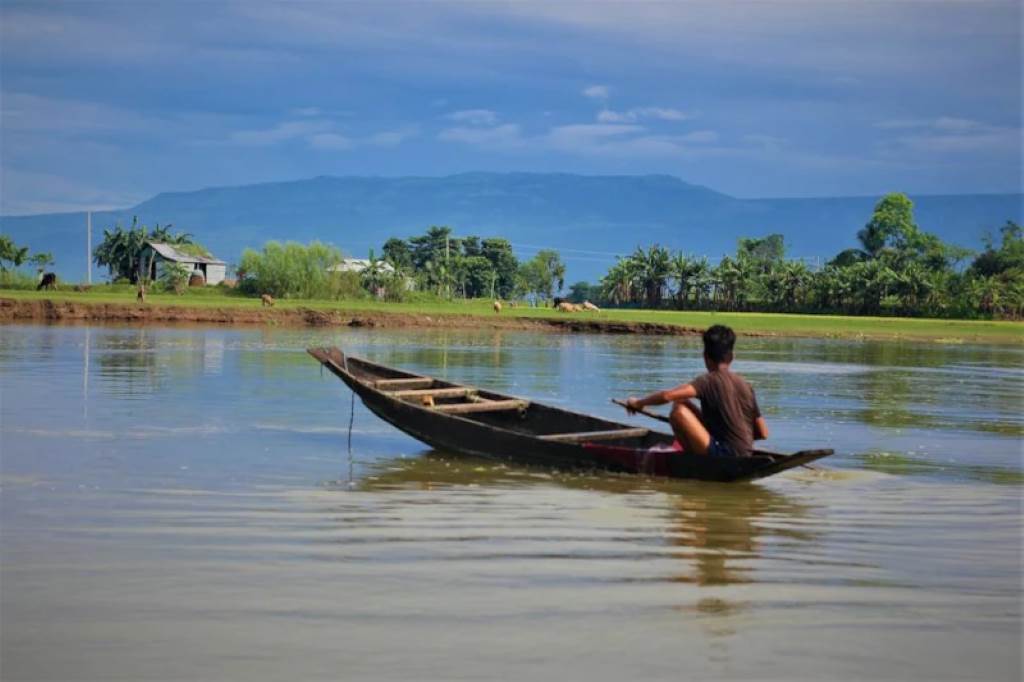
Spirituality and the River’s Embrace
Fishing in Amazonia transcends the physical; it’s deeply spiritual. Many tribes, like the Shipibo, view rivers as sacred, home to spirits like the Yacumama, a mythical serpent guarding the waters. Rituals often accompany fishing, honoring these spirits to ensure bountiful catches. For instance, offerings of food or songs may precede a fishing trip, reflecting gratitude for nature’s gifts.
This spiritual connection fosters respect for the environment. During my stay, I joined a ceremony where fishers chanted to the river, a humbling experience that revealed their reverence. These practices aren’t mere folklore; they guide sustainable living. As noted by IntechOpen, myths like the anaconda’s role in creation shape Amazonian cosmology, linking ecology and culture. Such beliefs ensure fishing remains a harmonious act, not exploitation.
Sustainable Practices in a Changing World
Sustainability is at the core of Amazonian fishing traditions. Communities like the Paumari practice catch-and-release for species like the arapaima, aiding conservation. They also use seasonal calendars to fish only when stocks are abundant. These methods contrast with industrial overfishing, which threatens biodiversity. A post on X highlighted the Paumari’s sustainable pirarucu fishing, generating income while preserving species.
However, climate change and deforestation challenge these practices. Lower water levels and pollution disrupt fish populations, forcing adaptation. During my visit, a local guide explained how they now fish in smaller tributaries to avoid polluted main rivers. These efforts show resilience, but global support is crucial. Organizations like Amazonas Fishing promote responsible sport fishing, aiding conservation. Amazonas Fishing Communities strive to balance tradition with survival in a changing world.
The Role of Community in Fishing Traditions
Fishing in Amazonia is a communal endeavor, strengthening social ties. Families work together, from crafting tools to sharing catches. This collaboration fosters unity, with elders passing knowledge to youth. In the Yanomami tribe, communal meals from fishing reinforce bonds, as noted in a 2024 WorldsUltimate study. These gatherings are more than meals; they’re celebrations of heritage.
I recall a riverside feast where laughter and stories flowed as freely as the river. Children learned fishing songs, ensuring traditions endure. Yet, external pressures like urbanization threaten these bonds. Communities counter this by engaging in tourism, sharing their practices with visitors. This not only preserves culture but also provides economic support, ensuring fishing traditions remain vibrant.
Modern Challenges and Cultural Preservation
Amazonian fishing traditions face modern threats: deforestation, pollution, and climate change. The 2024 MapBiomas report highlights a 16% loss of water bodies, impacting fish stocks. Illegal mining further pollutes rivers, endangering communities’ livelihoods. Despite this, indigenous groups adapt, using traditional knowledge to navigate challenges. For example, some shift to aquaculture to supplement fishing.
Tourism offers hope, with initiatives like Jungle Experiences promoting cultural visits that support preservation. During my trip, I saw how these efforts fund schools, preserving fishing knowledge. However, balance is key—overtourism risks diluting traditions. Communities work tirelessly, blending ancient practices with modern strategies to ensure their cultural fishing heritage thrives.
Conclusion
Cultural fishing traditions in Amazonia are a vibrant tapestry of history, spirituality, and resilience. These practices, from handcrafted nets to river rituals, reflect a deep bond with nature. Despite challenges like pollution and climate change, Amazonian communities adapt, preserving their heritage through sustainable practices and tourism. My journey along the Amazon revealed the power of these traditions, from shared meals to sacred songs. They remind us of the importance of living in harmony with nature. Let’s support these communities by learning and sharing their stories. Share your thoughts in the comments or spread this article to celebrate Amazonia’s enduring legacy.
FAQs
What are the main fishing techniques in Amazonia?
Indigenous communities use handmade nets, bows, and arrows, focusing on sustainability. Techniques like rotating fishing grounds prevent overfishing.
Why is fishing culturally significant in Amazonia?
Fishing is a lifeline, providing food and fostering community bonds. It’s tied to spiritual rituals honoring river spirits.
How do Amazonian communities ensure sustainable fishing?
They practice catch-and-release, use seasonal calendars, and avoid overfishing, balancing tradition with conservation needs.
What challenges threaten Amazonian fishing traditions?
Deforestation, pollution, and climate change reduce fish stocks, but communities adapt through aquaculture and tourism.
How can tourists support Amazonian fishing traditions?
Engaging in responsible tourism, like cultural visits, supports communities economically, helping preserve their fishing heritage.