Nina Taylor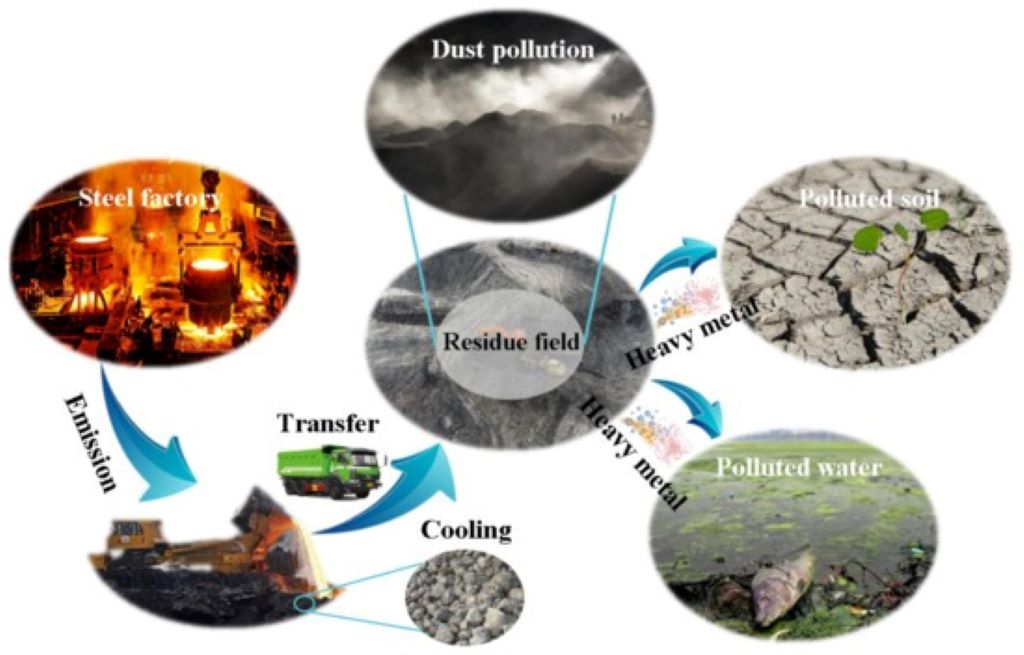
Have you ever wondered about the tough, dark stones lining a railroad track or the durable gravel in a modern driveway? You might be looking at a remarkable material with an industrial past. This unsung hero of construction and landscaping is born from the intense heat of metal smelting. We’re talking about slag rock, an industrial byproduct turned sustainable resource. Its journey from fiery furnace to functional foundation is a fascinating tale of recycling and innovation. This article will explore everything you need to know, from its powerful uses and surprising benefits to its complex environmental story. Get ready to see this common material in a whole new light.
What Exactly Is This Industrial Byproduct Called Slag Rock?
Imagine the roaring furnaces used to forge steel or smelt iron. As the pure metal is separated from its raw ore, impurities rise to the top. This molten layer is skimmed off and cooled, hardening into a glass-like, stone-like material. That, in essence, is how slag is created. It is not just industrial waste; it is a complex mixture of minerals, primarily calcium silicates, aluminosilicates, and oxides. The exact composition depends entirely on its origin, giving it unique properties for different applications.
Different smelting processes create distinct types of this useful material. The most common varieties include blast furnace slag, a byproduct of iron production, and steel slag, which comes from making steel. Blast furnace slag is lighter and more porous, while steel slag is denser and harder. Other types, like copper or nickel slag, also exist, each with its own set of characteristics. Understanding these differences is key to unlocking their full potential in various projects, from building highways to nurturing gardens.
Discovering the Many Common Uses of Slag Rock
This versatile material is a true workhorse across multiple industries. Its strength and durability make it a prime candidate for heavy-duty construction jobs. It is frequently used as a high-quality aggregate in concrete mixes, sometimes improving the final product’s strength and longevity. You will also find it forming the sturdy base layer for roads and highways, where it provides excellent stability and drainage. When mixed into asphalt, it creates a skid-resistant surface that holds up well under heavy traffic and harsh weather.
Beyond major construction, its applications are incredibly diverse. In landscaping, its unique texture and dark, rich colors make it a popular choice for decorative ground cover, garden pathways, and modern xeriscaping designs. Its weight and interlocking nature also make it effective for erosion control on slopes and in drainage ditches. In agriculture, certain types of slag can be crushed and used as a soil amendment. It helps to adjust soil pH and provides essential nutrients like calcium and magnesium, improving crop yields. This industrial byproduct even finds its way into cement production and the manufacturing of mineral wool insulation.
Unpacking the Key Benefits of Choosing Slag Rock
One of the most significant advantages is its incredible durability. Steel slag aggregate, for instance, has high abrasion resistance and hardness. This makes it an excellent component for asphalt roads that need to withstand constant wear and tear. According to the National Slag Association, using slag in asphalt can improve the pavement’s resistance to stripping and rutting, leading to longer-lasting and safer roads. This inherent toughness translates to lower maintenance costs and a longer service life for infrastructure projects.
The benefits extend beyond mere strength. Here are some of the top advantages:
- Exceptional Cost-Effectiveness: Slag is often more affordable than quarried natural stone or gravel. Since it is a byproduct, its production cost is tied to metal manufacturing, not mining. This makes it an economical choice for large-scale projects.
- Impressive Sustainability: Using slag is a fantastic example of a circular economy. It turns a potential waste product into a valuable resource. This significantly reduces the amount of material sent to landfills. It also conserves natural resources by decreasing the need to mine for virgin aggregates.
- Wide-Ranging Versatility: As we’ve seen, its uses are not limited to one sector. Its adaptability allows it to be used in everything from building foundations and paving roads to improving soil quality and designing beautiful landscapes. This flexibility makes it a go-to material for engineers, contractors, and landscapers alike.
Understanding the Full Environmental Impact of Slag Rock
The primary environmental benefit is its role in resource conservation. Every ton of slag used in construction is a ton of natural stone that does not need to be mined. This reduces the energy consumption, habitat destruction, and carbon emissions associated with quarrying operations. A study published in the Journal of Cleaner Production found that using slag-based cement instead of traditional Portland cement can reduce CO2 emissions by up to 80%. This highlights its massive potential in building a more sustainable future for the construction industry.
However, the environmental picture is not without its potential concerns. A primary issue is the possibility of heavy metals or other contaminants leaching into the soil and groundwater. The composition of slag directly reflects the raw materials used in the furnace, which can sometimes include trace amounts of elements like lead or chromium. For this reason, proper processing and rigorous testing are absolutely critical. Reputable suppliers will have their products certified to meet strict environmental standards, ensuring they are safe for the intended application. The energy used to process, crush, and transport this material also contributes to its overall environmental footprint, though this is often less than the impact of mining and transporting virgin materials.

A Head-to-Head Comparison: Slag Rock vs. Natural Stone
When choosing an aggregate, the decision often comes down to slag versus traditional natural stone like granite or limestone. Each has its place, but a direct comparison can help clarify the best choice for a given project. The right material depends on your priorities, whether they are budget, performance, aesthetics, or environmental impact.
Here is a simple breakdown to help you decide:
| Feature | Slag Rock | Natural Stone (Gravel, Granite, etc.) |
| Cost & Availability | Generally lower cost; widely available near industrial areas. | Cost varies by type; quarry locations affect availability. |
| Strength & Longevity | Often harder and more durable, especially steel slag. | High durability, but performance can vary by stone type. |
| Aesthetic Differences | Darker, angular, and has a unique industrial look. | Wide range of natural colors, shapes, and textures. |
| Environmental Footprint | Recycled byproduct; reduces mining and landfill waste. | Requires energy-intensive mining and habitat disruption. |
Ultimately, natural stone often wins for projects where a specific, natural aesthetic is paramount. However, for most construction, road building, and functional landscaping, slag offers a superior combination of strength, cost-effectiveness, and sustainability.
Seeing It in Action: Real-World Examples and Success Stories
The use of this industrial aggregate is not just a theory; it is a proven practice worldwide. For decades, industrial regions have been incorporating it into their infrastructure with great success. In the United States, states with a history of steel production, like Pennsylvania and Ohio, have extensively used slag in road construction. Their departments of transportation have developed specifications that recognize slag as a high-performance aggregate, relying on its durability to build roads that last.
A notable application is in creating coastal defenses and artificial reefs. The unique chemical composition of some slags can encourage marine life to colonize, creating new habitats from a recycled material. These projects demonstrate how innovative thinking can transform an industrial byproduct into a tool for ecological restoration. As documented by environmental agencies like the U.S. Environmental Protection Agency, the beneficial use of industrial byproducts like slag is a key strategy for sustainable materials management. These real-world examples prove that with proper management, this material is a safe, effective, and responsible choice.
The Promising Future of Slag Rock in Sustainable Construction
The future looks incredibly bright for this resourceful material. As the world pushes for greener building practices and a more circular economy, the demand for sustainable materials is soaring. Slag fits perfectly into this model. It turns a linear process (mine -> produce -> discard) into a circular one where byproducts are repurposed into valuable new goods. This approach is fundamental to achieving global sustainability goals and reducing our collective environmental footprint.
Innovations in processing technology are making it even more valuable. Scientists are developing new ways to refine slag to extract residual metals or tailor its properties for highly specialized applications, such as creating advanced blended cements. As architects and engineers increasingly seek materials that contribute to certifications like LEED (Leadership in Energy and Environmental Design), the use of recycled content like slag will become a standard practice rather than an alternative. This industrial stone is poised to become a cornerstone of 21st-century construction.
Your Final Takeaway on This Remarkable Recycled Material
From its fiery birth in a metal furnace to its final place in our roads, buildings, and gardens, the journey of slag rock is a powerful story of transformation. It is far more than an industrial leftover; it is a durable, cost-effective, and versatile material that champions the principles of recycling and sustainability. While it requires responsible processing to mitigate environmental risks, its benefits in reducing landfill waste and conserving natural resources are undeniable. By choosing to use slag rock, we are not just building stronger infrastructure; we are building a smarter, more circular economy for generations to come.
What are your thoughts on using recycled industrial materials in everyday projects? Share your experiences or questions in the comments below!
FAQs
- What is slag rock primarily used for?
It is primarily used as an aggregate in construction for road bases, concrete, and asphalt, as well as for landscaping and some agricultural applications.
- Is slag rock environmentally friendly?
It is considered eco-friendly because it is a recycled industrial byproduct, which reduces landfill waste and the need for mining natural stone. However, it must be properly processed to prevent potential leaching of contaminants.
- Is slag rock safe for use in gardens and landscaping?
Generally, yes. Commercially sold slag for landscaping has been tested and is safe. It is excellent for pathways and decorative cover but check the source to ensure it’s suitable for placement near edible plants.
- How does the cost of slag compare to gravel?
Slag is typically more affordable than natural gravel or crushed stone, especially in areas with active steel or metal industries, making it a cost-effective alternative.
- Is slag rock durable?
Yes, particularly steel slag, which is known for its exceptional hardness, high density, and resistance to abrasion, making it extremely durable for high-traffic applications.
Read More:
Safe Anchoring Techniques for Small Fishing Boats: Expert Tips for Secure Mooring