Nina Taylor
Spring creeks offer some of the most rewarding fly fishing experiences available. These gentle waterways demand patience, precision, and the right selection of lures. Understanding which flies work best in these clear, slow-moving waters can transform your fishing success dramatically.
Understanding Spring Creek Environments
Spring creeks differ significantly from typical trout streams. They maintain consistent temperatures year-round because groundwater feeds them. Additionally, their slow currents create crystal-clear conditions where fish can easily spot both prey and predators. This clarity means trout become exceptionally selective about what they eat.
The vegetation in spring creeks grows abundantly. Aquatic plants provide shelter for insects and small fish. Furthermore, these streams typically host dense populations of midges, mayflies, and caddisflies. The fish feeding in these waters become accustomed to specific insect profiles and behaviors.
Selecting the Right Fly Patterns
Matching the hatch becomes crucial in spring creek fishing. Trout in these environments see countless natural insects daily. Therefore, your fly selection must closely imitate what fish are actively eating. Generic patterns rarely succeed in these demanding conditions.
Small flies typically work best. Sizes 18 through 24 dominate most spring creek situations. However, larger patterns occasionally prove effective during specific hatches. The key lies in observing what insects are present before making your selection.
Nymph Patterns for Spring Creeks
Nymphs account for the majority of a trout’s diet in spring creeks. These subsurface flies imitate the juvenile stages of aquatic insects. Consequently, having a well-stocked nymph box proves essential for consistent success.
Pheasant tail nymphs remain a staple choice. Their simple design effectively mimics various mayfly nymphs. Additionally, their subtle coloration suits the natural tones found in spring creek environments. Sizes 18 through 22 work particularly well.
Zebra midges deserve a place in every spring creek angler’s box. These tiny patterns imitate midge pupae suspended in the water column. Moreover, their simplicity makes them easy to tie at home. Black, red, and olive colors produce reliable results.
Scud patterns imitate freshwater shrimp common in many spring creeks. These crustaceans provide substantial meals for trout. Pink, tan, and olive scuds in sizes 14 through 18 cover most situations effectively.
Dry Fly Selections
Dry fly fishing on spring creeks tests an angler’s skills thoroughly. Fish rising to surface insects offer visible targets. However, they also scrutinize every detail of your presentation. The right fly pattern makes all the difference.
Blue-winged olive patterns prove consistently productive. These mayflies hatch throughout much of the year. Therefore, carrying various sizes from 18 through 22 prepares you for multiple scenarios. Parachute and comparadun styles both work well.
Pale morning duns represent another essential mayfly pattern. These insects hatch during warmer months and drive selective feeding frenzies. Sizes 16 through 20 in pale yellow and cream colors match natural insects closely.
Midge dry flies become critical during winter and early spring. Griffith’s gnats and simple thread-bodied patterns work exceptionally well. Sizes 20 through 24 match the tiny naturals that emerge during these periods.
Terrestrial patterns gain importance during summer months. Ants, beetles, and small hoppers fall into spring creeks regularly. These flies provide larger meals that entice cautious trout. However, presentations must remain delicate and natural.
Emerger Patterns Bridge the Gap
Emerger flies represent insects transitioning from nymph to adult. This vulnerable stage attracts significant attention from feeding trout. Consequently, emerger patterns often outperform both nymphs and dry flies.
CDC emergers utilize the naturally buoyant properties of duck feathers. These materials create realistic silhouettes in the surface film. Additionally, they land softly and maintain proper positioning longer than many other patterns.
Sparkle duns incorporate trailing shucks that imitate emerging mayflies. The combination of dubbed body and trailing material suggests an insect struggling to complete its transformation. Fish find this presentation irresistible during active hatches.
According to Trout Unlimited, spring creeks represent some of the most productive trout habitats when properly managed and protected. These ecosystems support remarkable insect diversity that sustains healthy fish populations throughout the year.

Presentation Techniques Matter
Selecting the right fly represents only half the equation. Your presentation technique determines whether fish accept or refuse your offering. Spring creek trout study every drift carefully before committing.
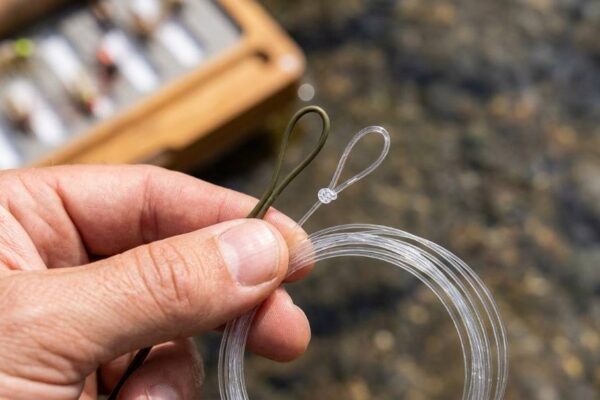
Long, light leaders become essential. Fluorocarbon tippets in 5X through 7X provide necessary stealth. Furthermore, these thin diameters allow flies to drift naturally without drag. However, they require careful handling to avoid breakage.
Upstream presentations work best in most situations. Casting beyond rising fish and allowing your fly to drift naturally toward them reduces detection risk. Additionally, this approach keeps your line and leader out of the fish’s view.
Drag-free drifts separate successful anglers from frustrated ones. Even slight drag causes flies to behave unnaturally. Therefore, mending your line and managing slack becomes critical. Watch your fly constantly and adjust as needed.
Matching Fly Size to Water Conditions
Water clarity influences fly size selection significantly. Crystal-clear spring creeks demand smaller patterns that closely match natural insects. Conversely, slightly stained water allows larger flies that fish can see more easily.
Current speed also affects sizing decisions. Slower sections require smaller flies that sink gradually. Meanwhile, faster runs near inflows can accommodate slightly larger patterns. Reading the water helps you make appropriate adjustments.
Color Considerations for Spring Creeks
Natural colors dominate successful spring creek patterns. Olive, tan, brown, and black imitate most aquatic insects effectively. Flashy or bright colors rarely produce consistent results in these clear waters.
Subtle variations in shade sometimes make significant differences. Carrying multiple color options within each pattern type allows precise matching. However, exact replication matters less than proper size and silhouette.
Seasonal Fly Selection Strategies
Spring brings abundant mayfly hatches. Blue-winged olives and pale morning duns emerge regularly. Therefore, stocking various sizes of these patterns prepares you for productive fishing.
Summer shifts focus toward terrestrials and midges. Ants and beetles become important during afternoon hours. Additionally, evening caddis hatches provide excellent dry fly opportunities.
Fall sees continued midge activity and occasional mayfly emergences. Smaller patterns gain importance as water temperatures cool. Furthermore, fish feed aggressively before winter, making them more willing to take well-presented flies.
Winter fishing revolves around midges almost exclusively. Tiny nymphs and emergers produce the most consistent results. Patience becomes essential as fish metabolism slows in cold water.
The U.S. Fish and Wildlife Service emphasizes the importance of understanding local aquatic ecosystems when selecting appropriate fishing techniques and tackle for different water bodies.
Building Your Spring Creek Fly Box
A comprehensive spring creek selection need not include hundreds of patterns. Quality trumps quantity in these specialized environments. Carrying 10 to 15 proven patterns in multiple sizes serves most situations effectively.
Organize your flies by type rather than size. Group nymphs together, then dry flies, then emergers. This system allows quick pattern changes when conditions shift. Additionally, it helps you identify gaps in your collection.
Include backup flies for your most productive patterns. Losing a successful fly to a fish or tree branch happens frequently. Having replacements prevents frustration and maintains your confidence throughout the day.
Conclusion
Fly fishing in slow-moving spring creeks rewards anglers who prepare properly. Success depends on selecting appropriate fly patterns that match local insects accurately. Nymphs, dry flies, and emergers all play important roles in a well-rounded approach. Additionally, proper presentation techniques and leader selection prove equally critical. Understanding seasonal variations and water conditions helps you make smart decisions streamlining your time on the water. Building a focused fly collection with proven patterns prepares you for various situations. Patience and careful observation ultimately separate successful spring creek anglers from those who struggle. These beautiful waterways offer incredible fishing opportunities for those willing to learn their secrets.
Frequently Asked Questions
What size flies work best for spring creek trout?
Sizes 18 through 24 work best for most spring creek situations. These smaller patterns closely match the natural insects found in these clear, slow-moving waters. However, sizes 14 through 16 can work during specific hatches or when using terrestrial patterns.
When should I use dry flies versus nymphs in spring creeks?
Use dry flies when you observe fish rising to the surface or see insects hatching. Nymphs work better when fish are not actively rising, which represents the majority of feeding time. Emerger patterns bridge the gap during transitional periods.
How important is exact color matching in spring creeks?
Moderately important, but size and silhouette matter more. Natural colors like olive, tan, and black work consistently. However, subtle shade variations sometimes make differences during challenging conditions when fish become extremely selective.
What makes spring creek fly fishing more difficult than regular streams?
The crystal-clear, slow-moving water allows trout to examine flies carefully before eating. Fish become highly selective due to abundant food sources. Additionally, the lack of current makes drag-free presentations more challenging to achieve consistently.
Can I use the same flies for different spring creeks?
Generally yes, though local variations exist. Most spring creeks share similar insect populations including midges, mayflies, and caddisflies. However, researching specific waters beforehand helps you fine-tune your selection for maximum effectiveness.
Related Topics:
Made for the North: Canada’s Top-Rated Fishing Jigs
The Best Fishing Jigs Canadian Anglers Swear By