Nina Taylor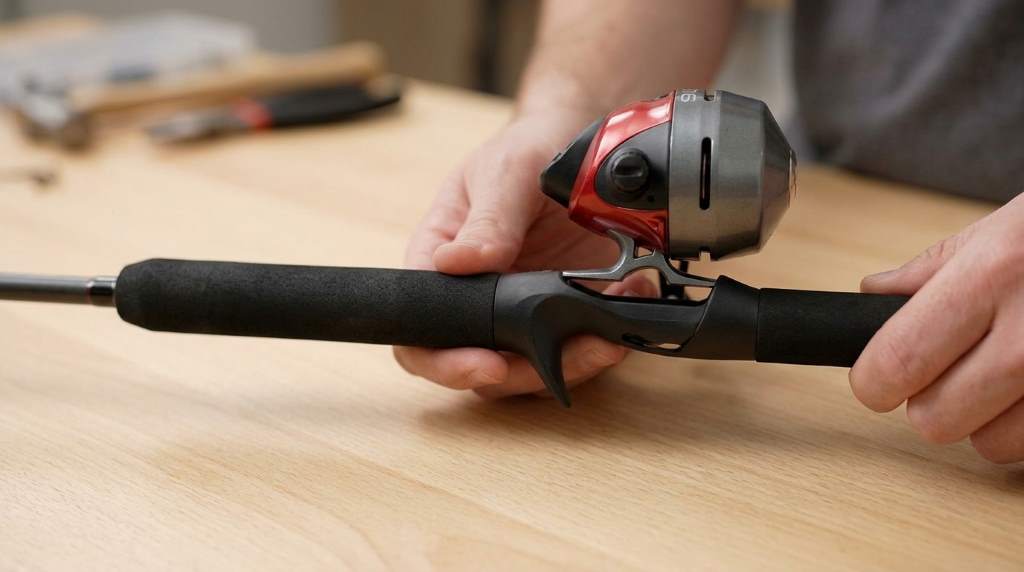
Setting up a Zebco spincast combo takes about 10 minutes when you follow the correct order. Start by checking the reel, threading the line, filling the spool, attaching your lure, and adjusting the drag. A Zebco Spincast Rod Reel Combo can simplify your first fishing setup. Most Zebco spincast reels work well with roughly 6 to 12 pound monofilament. However, your specific model may have different line requirements, so check its markings first.
Key Takeaways
- Inspect the rod, reel, guides, and reel seat before adding line.
- Match the fishing line to your reel’s recommended size and capacity.
- Keep steady tension while filling the spool to prevent loose coils.
- Leave about one eighth inch of space below the spool rim.
- Set the drag before fishing instead of adjusting it during a fight.
- Practice short casts before attempting longer casts on the water.
Check the Combo Before You Add Line
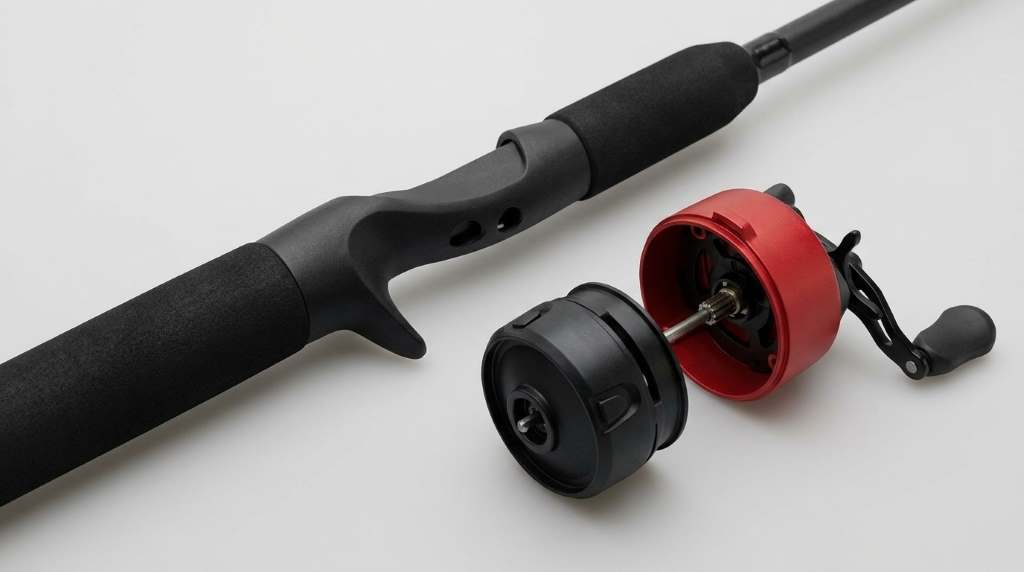
First, place the rod and reel on a clean, dry surface. Inspect the rod guides for cracks, sharp edges, or loose inserts. Then check the reel seat and confirm the reel sits firmly against the rod.
Next, examine the reel handle, thumb button, front cover, and drag control. Turn the handle slowly and listen for unusual grinding or clicking. If everything moves smoothly, continue with the line setup.
Confirm the Reel Model
Zebco sells several spincast reels with different features and specifications. Therefore, do not assume every model accepts identical line sizes or has identical controls.
Look for the model name or number on the reel body. Then use the manufacturer’s specifications for line capacity, retrieve direction, and other model specific details.
Secure the Reel to the Rod
Place the reel foot inside the rod’s reel seat before tightening anything. Slide the reel into position until it sits evenly and feels stable.
Now tighten the reel seat by hand until the reel cannot move sideways. Avoid excessive force because overtightening can damage components or make future adjustments difficult.
Hold the completed rod naturally and check the handle position. The reel should feel comfortable without forcing your wrist into an awkward angle.
Thread the Fishing Line Correctly
Remove the reel’s front cover according to your model’s design. Most Zebco spincast reels use a front cover that protects the internal spool and pickup mechanism.
Run the new line through the opening in the front cover. Then guide the line toward the spool before securing it around the spool arbor.
Secure the Line to the Spool
Tie the line firmly around the spool arbor using a suitable fishing knot. Trim the loose tag end after tightening the knot securely.
Before replacing the cover, make sure the line sits correctly around the spool. A poorly secured starting knot can cause slipping when a fish pulls against the drag.
Thread Every Rod Guide
After securing the line, run it through every rod guide from the reel toward the rod tip. Start with the guide closest to the reel and work upward.
Finally, pull several inches of line beyond the rod tip. This extra line gives you enough length for tying your lure without fighting the guides.
Fill the Spool Without Creating Tangles
Place the replacement line spool where it can unwind smoothly. Keep light, steady tension on the line between your fingers while turning the reel handle.
Wind the line slowly and watch how it builds across the spool. Even line placement matters because loose sections can create tangles during casting.
Use the Correct Fill Level
Stop filling when the line sits about one eighth inch below the spool’s upper edge. This level gives the line enough room to leave the spool smoothly.
Overfilling can create loose loops and tangles around the reel. Underfilling can also reduce casting distance because the line leaves the spool less efficiently.
Check the Line While Spooling
Pause occasionally and inspect the spool rather than winding continuously. Look for uneven layers, loose loops, or line crossing over itself.
If the line looks uneven, stop immediately and correct it. Fixing a problem during spooling takes less effort than removing tangled line later.
Choose the Right Line for Your Setup
Monofilament remains a practical option for many beginner spincast setups. It offers manageable handling, useful stretch, and straightforward knot tying.
However, always follow the line recommendation for your particular reel. Using line that exceeds the reel’s intended range can affect casting, retrieval, and line management.
For a first setup, match the line strength with the fish species and lure weight you expect to use. This approach prevents unnecessary strain on the reel and rod.
Attach Your Hook or Lure
Pull enough line through the rod tip to work comfortably with the terminal tackle. Then thread the line through the hook or lure eye.
A Palomar knot works well for many fishing applications when tied correctly. Tighten the knot gradually and trim the tag end after checking the connection.
Match the Lure to the Rod
Check the rod’s recommended lure range before attaching a heavy lure. The rod needs enough flexibility to load during the cast without excessive stress.
For practice, use a manageable lure or casting weight within the rod’s listed range. A lighter practice setup lets beginners focus on release timing and accuracy.
Set the Drag Before Your First Cast
The drag controls how easily line leaves the reel when a fish pulls. A correct setting protects the line while maintaining enough pressure during the fight.
Start with moderate tension and pull the line steadily by hand. The line should release smoothly without feeling completely locked or excessively loose.
Make Small Drag Adjustments
Turn the drag control gradually rather than making large adjustments. Increase tension when the line slips too easily under light pressure.
Conversely, reduce tension when the line feels locked or requires excessive force to move. Test the setting again after each small adjustment.
Remember that drag settings depend on your line, lure, target fish, and fishing conditions. Therefore, treat the initial setting as a starting point rather than a permanent number.
Learn the Thumb Button Before Casting
Spincast reels use a thumb button to control line release during casting. Press and hold the button before beginning your forward casting motion.
Bring the rod backward smoothly, then move it forward toward your target. Release the button when the rod points toward the intended landing area.
As the lure reaches the target, stop the line by pressing the button again. This simple motion gives beginners direct control over casting distance.
Practice With Short Casts First
Begin with short casts in an open area without people, branches, or other obstacles nearby. Focus on a smooth motion instead of trying to maximize distance.
Once your release timing becomes consistent, gradually increase casting distance. Controlled practice usually produces better accuracy than repeatedly forcing long casts.
Test the Complete Setup Before Fishing
Before leaving for the water, perform a complete function check. Confirm that the handle turns smoothly and the thumb button operates correctly.
Pull the line gently and watch how the drag responds. Also check whether the line moves cleanly through every rod guide.
- Confirm the reel stays firmly attached to the rod.
- Check the front cover for proper installation.
- Inspect the line for cuts, knots, or damaged sections.
- Test the thumb button several times.
- Pull line gently to verify drag movement.
- Make several controlled practice casts.
Fix Common Setup Problems
Many spincast problems begin with incorrect line installation rather than a defective reel. Fortunately, most beginner problems become easy to identify after checking the spool and front cover.
The Reel Will Not Release Line
First, check whether the spool contains enough line. Then inspect the area behind the front cover for tangled or damaged line.
If the line looks heavily kinked or tangled, remove the affected section before continuing. Also verify that the installed line matches the reel’s recommended specifications.
The Line Comes Off in Loose Loops
Loose loops usually indicate poor line tension, excessive spool filling, or uneven winding. Remove the problematic section and respool it with steady pressure.
Keep the line layers even as you turn the handle. Stop immediately if the line begins stacking heavily on one side.
The Cast Feels Short
Check the spool fill level before changing your casting technique. An underfilled spool can limit how efficiently the line leaves the reel.
Next, inspect the line for excessive damage or memory. Finally, confirm that your lure falls within the rod’s recommended casting range.
The Reel Makes an Unusual Sound
Stop fishing if the reel suddenly develops grinding, binding, or unusual resistance. Check for dirt, sand, damaged line, or an incorrectly seated component.
Do not force the handle when the mechanism feels blocked. Cleaning and proper maintenance can prevent small debris from becoming a larger mechanical problem.
Maintain the Combo After Fishing
Basic maintenance helps keep a spincast reel operating smoothly over time. Wipe the rod and reel after use, especially when dirt or moisture reaches the equipment.
Saltwater trips require extra attention because salt residue can affect reel components. Rinse the appropriate exterior surfaces with fresh water and allow the equipment to dry properly.
Store the Rod and Reel Correctly
Loosen unnecessary tension on the setup before long term storage. Store the combo somewhere dry where heat, moisture, and physical impacts remain controlled.
Keep the rod supported rather than leaning it against a sharp edge. Also inspect the line before your next fishing trip.
A Better First Day Setup Routine
The most reliable approach starts at home rather than beside the water. Setting up early gives you time to identify problems without pressure.
Complete the line installation, knot tying, drag adjustment, and practice casts before your trip. Then pack spare line and basic cutting tools for simple repairs.
This routine also helps you learn how the reel responds. As a result, you can spend more time fishing instead of troubleshooting basic equipment.
When to Replace the Fishing Line
Replace line when you notice severe abrasion, repeated kinks, damaged sections, or persistent memory. Old line can become harder to manage and less dependable under pressure.
Check the first several feet after every fishing session when possible. This area experiences frequent contact with guides, cover, hooks, and fish.
Even when the reel works correctly, damaged line can compromise the entire setup. Fresh line often restores smoother casting and more reliable lure control.
Final Setup Checklist
Before your first serious cast, confirm every part of the setup. A simple checklist can prevent most avoidable problems.
- Reel sits firmly inside the rod seat.
- Line matches the reel’s recommended specifications.
- Line passes through every rod guide correctly.
- Spool remains slightly below the upper rim.
- Lure connection feels secure.
- Drag releases line smoothly under steady pressure.
- Thumb button releases and stops the line correctly.
- Practice casts produce controlled line release.
Frequently Asked Questions
How much line should I put on a Zebco spincast reel?
Fill the spool until the line sits approximately one eighth inch below its upper edge.
What line works well with a Zebco spincast reel?
Many Zebco spincast reels support monofilament in the 6 to 12 pound range, but model specifications should guide your choice.
Should I adjust the drag before fishing?
Yes, test the drag before casting and adjust it until the line releases smoothly under steady hand pressure.
Why does my Zebco spincast reel tangle?
Loose winding, excessive spool filling, damaged line, and incorrect line can all contribute to tangles.
Can beginners use a Zebco spincast combo?
Yes, the closed spool design and thumb button make spincast combos straightforward for beginners to learn.
Conclusion
Setting up a Zebco spincast combo becomes simple when you follow the correct sequence. Secure the reel, install suitable line, fill the spool evenly, tie your lure, and test the drag.
Afterward, practice short casts until your release feels natural. Complete these checks before your next fishing trip, and your combo will be ready for more confident casting.
Use the checklist above during your next setup, then inspect the line and drag before every fishing session. A few minutes of preparation can prevent hours of avoidable frustration.