Nina Taylor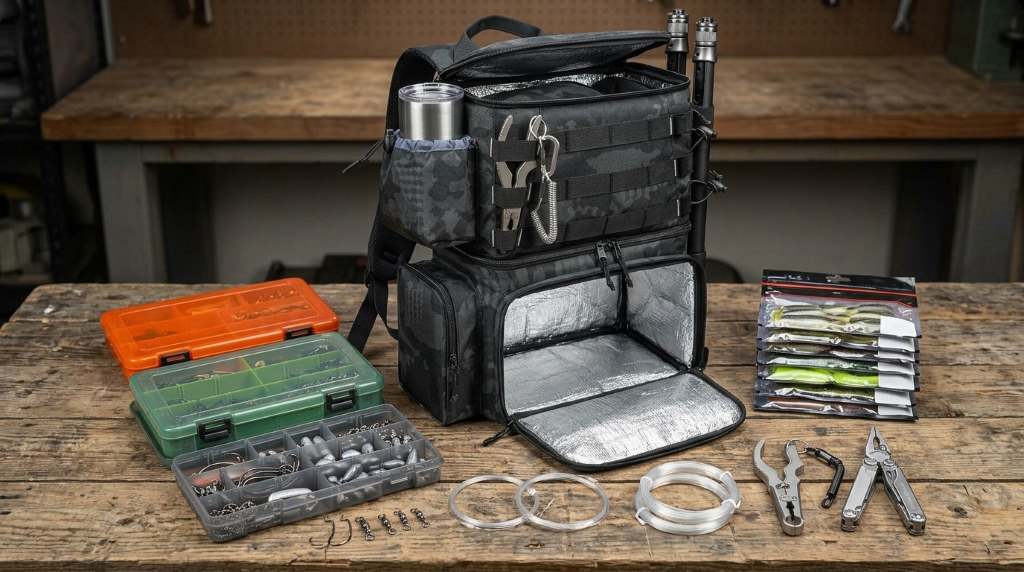
Organizing a Matein fishing backpack works best when you group tackle by use, access, and trip type. Start with tackle boxes, then place tools, personal items, food, and backup gear in dedicated zones. In 2025, about 57 million Americans went recreational fishing, showing how many anglers need practical gear systems. In addition, the latest participation report recorded 19 million people leaving the sport that year. A well arranged backpack can make fishing trips simpler, faster, and less frustrating. The Matein Fishing Backpack gives anglers several compartments for building that system.
Key Takeaways
- Sort tackle by fishing technique instead of storing everything together.
- Keep frequently used tools in exterior pockets for faster access.
- Place heavier tackle low and close to your back for better balance.
- Separate wet, sharp, food, and personal items from regular tackle.
- Use labels so you can identify tackle boxes without opening each one.
- Repack the backpack after every trip to prevent clutter.
Start With a Simple Packing System
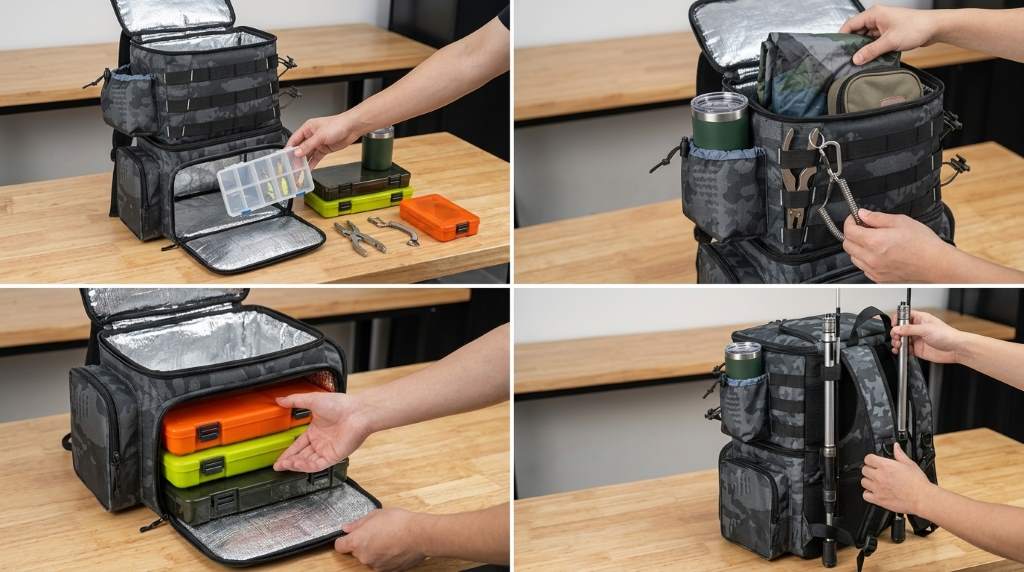
Before loading the backpack, remove every item and group similar gear together. This first step exposes duplicate tools, unused lures, damaged tackle, and unnecessary supplies.
Next, divide your gear into five practical groups: tackle, tools, personal items, comfort gear, and food. This system creates clear zones and prevents unrelated equipment from competing for space.
Then match each group with the compartment that fits its purpose. Keep high priority equipment close to the opening, while backup equipment can stay deeper inside.
Use the Backpack’s Main Compartments
The current Matein design provides dedicated space for tackle boxes, accessories, rods, and cooler items. Therefore, treat each compartment as a specific storage zone rather than general storage.
Use the main tackle area for organized trays containing lures, hooks, weights, swivels, and other terminal tackle. Keep similar equipment together so you can replace a rig without searching through unrelated items.
Reserve the upper or front area for tools that need frequent access. Pliers, line cutters, scissors, and a small measuring tool belong there.
Build a Tackle Box System
Your tackle boxes should form the backbone of your backpack organization. Instead of mixing every lure together, assign each box a clear fishing purpose.
- Box one: Store frequently used hooks, weights, swivels, and snaps.
- Box two: Store hard baits such as crankbaits and topwater lures.
- Box three: Store jigs, spinnerbaits, and other reaction lures.
- Box four: Store backup tackle, specialty rigs, or seasonal options.
This approach reduces decision time because each box answers a specific fishing need. Moreover, clear categories make restocking easier after every trip.
Organize Soft Plastics Separately
Soft plastics deserve separate storage because their materials can interact with other tackle. Keep them inside original packages or suitable containers whenever possible.
Group soft baits by style, size, or color depending on your fishing routine. For example, keep worms together and separate them from creature baits or swimbaits.
Also, avoid placing loose soft plastics beside exposed hooks. Sharp tackle can tear the packages and damage the baits during transportation.
Place Frequently Used Tools Within Reach
Tool placement matters more than total storage capacity during active fishing. You should reach your most important tools without removing the backpack from your shoulders.
Use exterior webbing, front pockets, or dedicated tool holders for pliers and line cutters. Keep these tools secured so they cannot fall into the water while you move.
Additionally, store extra leader material near your line cutting tools. That combination lets you handle common rigging problems without opening the main compartment.
Create a Quick Access Zone
Your quick access zone should contain equipment you may need repeatedly during one fishing session. Keep only essential items there to prevent pocket clutter.
- Fishing pliers
- Line cutters
- Extra leader
- Small scissors
- Frequently used lure
- Fishing license or identification
- Sunscreen
However, avoid placing hooks or loose sinkers inside open exterior pockets. Those items can catch clothing, damage other equipment, or disappear during movement.
Balance Heavy Gear Correctly
Weight distribution affects comfort, stability, and walking efficiency throughout your fishing trip. Therefore, place heavier tackle close to your back rather than at the outer edge.
Put the heaviest tackle boxes in the central lower compartment when practical. Keep lightweight items above them so the backpack stays stable while you walk.
Do not fill every available space simply because the backpack offers room. A lighter setup usually makes shoreline movement easier and reduces unnecessary gear handling.
Follow the Weight Priority Rule
Use this simple order when loading the backpack:
- Place heavy tackle boxes closest to your back.
- Add medium weight tools and accessories around them.
- Put lightweight clothing or backup supplies toward the top.
- Keep frequently used items in accessible exterior areas.
- Check the backpack balance before leaving home.
After loading, wear the backpack for several minutes around your home. If it pulls strongly backward or sideways, rearrange the heavier items.
Separate Wet and Dry Equipment
Fishing creates constant contact with water, especially during shoreline, pier, kayak, and saltwater trips. Consequently, wet equipment should never share unrestricted space with electronics or personal belongings.
Use waterproof pouches for phones, wallets, keys, licenses, and other sensitive items. Keep damp towels, rain gear, or used cloths away from dry tackle.
Although the backpack uses water resistant materials, water resistance does not mean complete waterproof protection. Therefore, sensitive equipment still deserves an additional barrier.
Protect Your Tackle From Moisture
Dry tackle before returning it to enclosed storage whenever possible. Moisture trapped inside tackle boxes can encourage corrosion on hooks, swivels, snaps, and other metal components.
After saltwater trips, rinse appropriate equipment with fresh water according to its material and construction. Then allow everything to dry fully before repacking the backpack.
Use the Cooler Compartment Properly
The insulated compartment can carry food and drinks during longer fishing sessions. However, keep consumables separated from tackle whenever possible.
Pack sealed drinks and food containers to reduce leaks inside the cooler section. Never place loose bait, hooks, or tackle beside food.
For short trips, use the cooler compartment selectively rather than filling it with unnecessary supplies. This keeps the overall backpack lighter and leaves more space for essential fishing gear.
Organize the Rod Holders and Exterior Gear
Matein fishing backpack models include side rod holders designed to carry rods while leaving your hands free. Use these holders consistently instead of attaching rods loosely to random straps.
Keep rod accessories away from sharp tools and exposed hooks. This reduces the chance of scratching rod blanks or damaging line guides during transportation.
Before walking long distances, check every exterior attachment. Secure loose straps, close zippers, and confirm that tools sit firmly in their holders.
Build Different Setups for Different Trips
One backpack does not need one permanent loadout. Instead, adjust your organization according to the fishing environment and expected techniques.
For Short Bank Fishing Trips
Carry one main tackle box, essential tools, a few proven lures, leader material, water, and basic personal supplies. Remove specialty equipment that you probably will not use.
This setup keeps the backpack light while preserving the equipment needed for common adjustments. It also makes walking between fishing spots much easier.
For Longer Fishing Sessions
Add extra leader, backup lures, spare terminal tackle, rain protection, snacks, and basic first aid supplies. Keep backup items below the equipment you use repeatedly.
Furthermore, prepare a small emergency section for unexpected problems. Include spare line, extra hooks, a flashlight, and essential personal items.
For Saltwater Fishing
Saltwater requires more attention to corrosion and moisture control. Separate metal tackle, rinse reusable equipment, and dry wet items before long term storage.
Keep spare terminal tackle inside secure compartments or sealed organizers. This approach reduces exposure to moisture while keeping replacements ready.
Label Every Tackle Box
Labels can dramatically reduce search time inside a multi box backpack. Use short labels that describe the contents clearly and consistently.
- Terminal Tackle
- Hard Baits
- Jigs
- Soft Plastics
- Topwater
- Backup Gear
For an even faster system, use the same categories every time you pack. Consistency matters because your hands will eventually remember where each category belongs.
Keep Personal Items Away From Hooks
Phones, wallets, keys, sunglasses, and licenses need protected storage. Place them inside dedicated secure pockets rather than tackle compartments.
Keep sunglasses inside a soft lined pocket when your backpack provides one. Meanwhile, place keys and wallets inside a zipped pocket that remains separate from wet equipment.
This arrangement protects personal items while also preventing hooks from catching fabric or scratching electronics. It also makes your backpack safer to search during active fishing.
Perform a Five Minute Reset After Fishing
Good organization depends on what happens after the trip, not only before it. Spend five minutes sorting used tackle before storing the backpack.
Remove trash, empty food containers, and wet materials first. Then separate damaged lures and rusty terminal tackle from usable equipment.
Next, return every tool to its assigned pocket. Finally, restock anything you used heavily so the backpack remains ready for your next trip.
A Simple Post Trip Checklist
- Remove wet clothing and towels.
- Empty food and drink containers.
- Dry wet tackle before storage.
- Inspect hooks and metal components.
- Replace damaged or missing tackle.
- Return tools to their assigned locations.
- Check rod holders and exterior straps.
Common Organization Mistakes to Avoid
The biggest mistake involves carrying more tackle than the trip requires. Extra gear increases weight while making important equipment harder to locate.
Another mistake involves mixing terminal tackle with larger lures. Hooks, weights, and swivels can tangle with other equipment and create unnecessary frustration.
Some anglers also place frequently used tools deep inside the backpack. Move those tools forward because quick access matters more than perfect visual neatness.
Finally, avoid treating every compartment as general storage. Assign each section a job, then maintain that system consistently.
How to Test Your Backpack Setup
Test your organization before reaching the water. Wear the loaded backpack and simulate common tasks such as changing lures or cutting line.
Try finding your pliers without looking inside every compartment. Then locate your terminal tackle, leader material, and personal items using one hand.
If any essential item takes too long to find, move it closer to your normal reach zone. Good organization should reduce movement rather than create extra steps.
Final Thoughts
The best way to organize a Matein fishing backpack involves creating dedicated zones based on frequency, weight, and function. Keep tackle categorized, tools accessible, personal items protected, and wet gear isolated.
Start with the system above before your next fishing trip and adjust it after every outing. A few deliberate changes can create a faster, lighter, and more comfortable setup.
Take five minutes today to empty your backpack, sort your tackle, label your boxes, and rebuild your loadout. Your future self will spend less time searching and more time fishing.
Frequently Asked Questions
How many tackle boxes should I carry?
Carry enough boxes for your target species and techniques without filling unused space.
Where should I keep fishing pliers?
Keep fishing pliers in an exterior holder or front pocket for immediate access.
Should wet gear go inside the main compartment?
Keep wet gear separated from dry tackle and personal belongings whenever possible.
How should I organize terminal tackle?
Store hooks, weights, swivels, and snaps together inside a compartmentalized tackle box.
How often should I reorganize my fishing backpack?
Inspect and reset your backpack after every fishing trip to maintain a reliable system.