Nina Taylor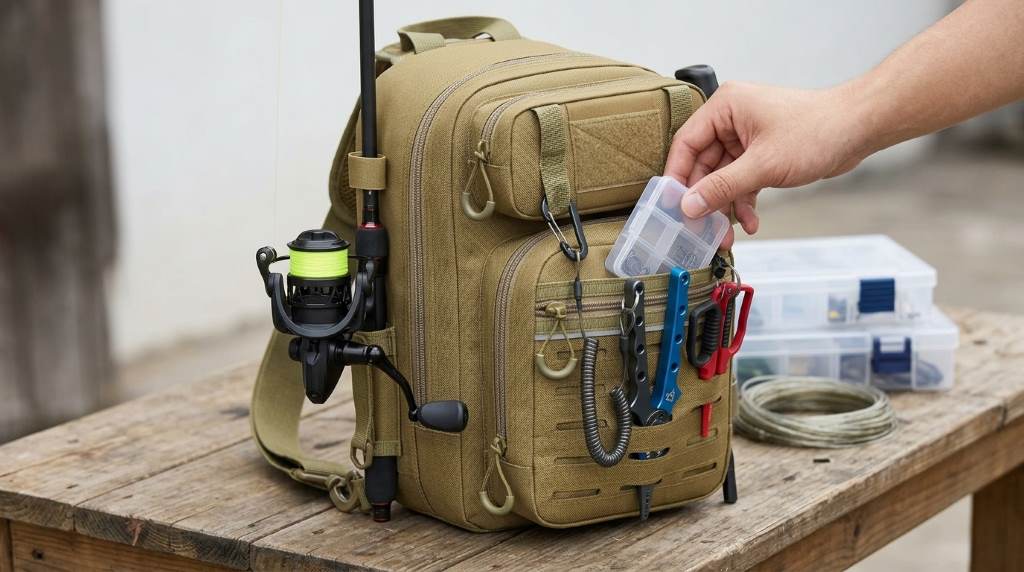
Organizing a Piscifun Tackle Bag works best when every item has a defined storage zone. Depending on the model, some Piscifun bags hold two 3600 boxes, while larger versions hold three 3700 boxes. A practical system also separates lures, terminal tackle, soft plastics, tools, line, and personal items. The goal is simple: find the right item quickly without emptying the bag.
For a useful starting point, the Piscifun Tackle Bag gives anglers a flexible storage system for different fishing situations. This guide goes further by showing how to assign each pocket, tray, and compartment. You will also learn how to reduce clutter, protect tackle, and maintain the setup after every trip.
Key Takeaways
- Organize tackle by fishing technique, species, and frequency of use.
- Assign each tackle box one clear purpose before filling it.
- Keep soft plastics in their original packages whenever practical.
- Store hooks, weights, swivels, and snaps in dedicated small compartments.
- Place frequently used tools where one hand can reach them quickly.
- Keep wet equipment separate from dry tackle and personal belongings.
- Reset the bag after each trip instead of waiting for clutter to build.
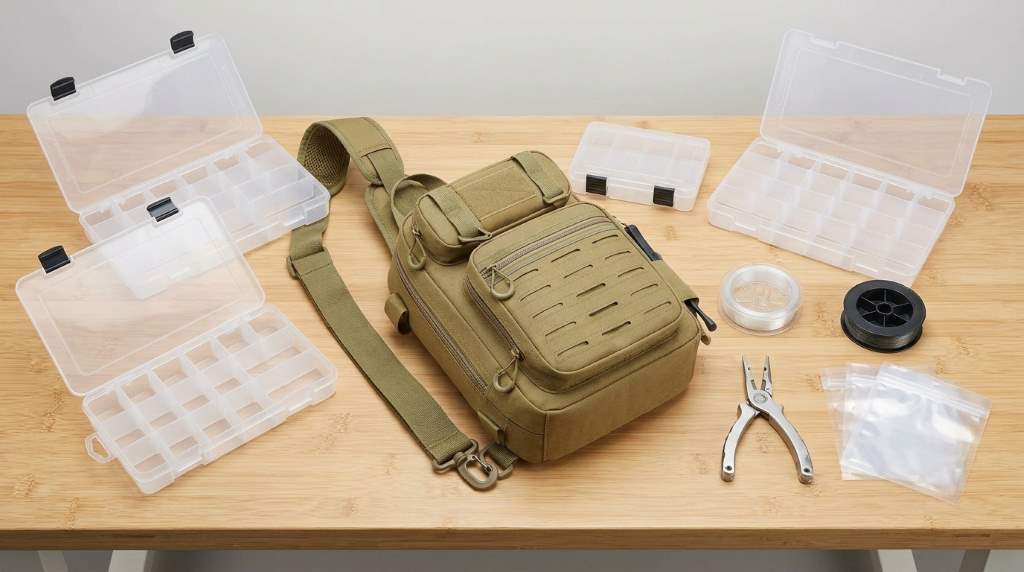
Start With a Storage Map
Before loading anything, empty the Piscifun bag completely and inspect every storage area. Lay the trays, pockets, straps, and accessories beside the bag. This simple step prevents you from assigning items randomly.
Next, divide your equipment into broad groups based on how you actually fish. Common groups include hard lures, soft plastics, terminal tackle, line, tools, and personal essentials. Then separate each group into smaller categories that match your fishing routine.
Use Your Fishing Style as the Main Rule
A bass angler needs a different organization system from someone targeting trout or saltwater species. Therefore, avoid copying another angler’s setup without considering your own techniques. Build the bag around the tackle you reach for during a normal fishing session.
For example, a bass setup might include separate storage for crankbaits, jigs, spinnerbaits, topwater lures, and soft plastics. Meanwhile, a trout setup might give more space to small spinners, spoons, hooks, floats, and split shot. Organizing around actual use makes the bag faster to work from.
Assign Each Tackle Box One Purpose
Use the main compartment for tackle that benefits from rigid organization. Give each box a specific job instead of mixing unrelated equipment together. This approach makes every tray function like a portable workstation.
One box can hold hard lures, while another handles terminal tackle. A third box can contain specialty lures for a specific technique or species. If your model provides additional tray capacity, reserve those boxes for less frequently used equipment.
Create a Simple Tray System
- Tray one: frequently used hard lures.
- Tray two: hooks, weights, swivels, snaps, and small terminal tackle.
- Tray three: specialty lures or seasonal options.
- Tray four: backup tackle for longer trips.
However, do not fill every available space simply because the bag can hold it. Extra tackle adds weight and makes every item harder to find. Instead, carry the smallest useful selection for the fishing conditions.
Organize Lures by Technique
Technique based organization often works better than sorting every lure by brand or color. It mirrors the decisions you make while fishing. Consequently, you can move from one technique to another without searching through unrelated tackle.
Place crankbaits together and separate them by depth when that distinction matters. Keep topwater lures together, then organize jigs, spinnerbaits, and other moving baits in separate sections. Within each section, arrange lures from smaller sizes to larger sizes.
Control Treble Hook Chaos
Treble hooks can turn a clean tackle box into a tangled mess within minutes. Give hard lures enough individual space to prevent hooks from catching nearby lures. When compartments run short, use a larger compartment for similar lure styles.
Also inspect hooks before storing used lures again. Remove debris and dry wet lures before closing the tray. This habit reduces moisture problems and keeps hooks ready for the next trip.
Keep Soft Plastics in Separate Storage
Soft plastics deserve their own system because different materials can react when stored together. Keep them in their original packages whenever possible. Then group those packages by lure type, size, color, or target species.
Use an exterior pocket for the soft plastics you expect to use most often. Keep backup packages deeper inside the main storage area. This arrangement lets you replace a used bait without disturbing your hard lure trays.
Build a Fast Access Plastic Pocket
- Put frequently used colors near the front.
- Group similar shapes together.
- Keep unopened backup packs behind active packs.
- Remove empty packaging immediately after a trip.
- Keep scented products away from unrelated gear.
This system also prevents soft plastics from occupying valuable tray compartments. As a result, your rigid boxes can focus on items that need individual separation.
Give Terminal Tackle Its Own System
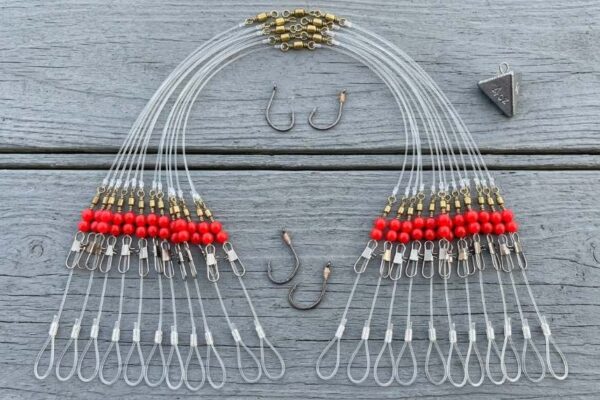
Hooks, sinkers, swivels, snaps, beads, and stops create the most clutter when they share one compartment. Instead, divide terminal tackle according to function and size. Small adjustable compartments work particularly well for this purpose.
Keep hooks separated by size and style whenever possible. Store weights by type and size, then place swivels and snaps together in another section. Clear compartments help you identify small components without opening several containers.
Use Small Bags for Tiny Parts
Some terminal tackle can still move between compartments during transport. Small resealable bags provide an extra barrier for tiny pieces. Label each bag with the item name and size before placing it inside the larger compartment.
This method works especially well for spare hooks and specialty rigs. It also makes restocking easier because you can see exactly what needs replacement. Therefore, the bag becomes easier to maintain after every fishing session.
Use Exterior Pockets for Fast Access Gear
Exterior pockets should hold items you need without opening the main compartment. Good candidates include pliers, line cutters, leader material, scissors, scents, and frequently used soft plastics. Keep each pocket dedicated to one category whenever possible.
For example, make one pocket your tool station and another your line station. Then place personal items in a protected compartment away from hooks and moisture. This creates predictable locations that you can reach without looking.
Keep Tools Together
- Fishing pliers
- Line cutters
- Hook removers
- Small scissors
- Fish measuring tools
Do not bury tools underneath tackle trays or loose bait packages. Instead, store them where you can grab them immediately after landing a fish. Fast access matters most when you need to remove a hook safely.
Store Line and Leaders Properly
Line and leaders can consume surprising amounts of space inside a tackle bag. Keep spare spools in a side pocket or another dedicated compartment. Secure loose leader material so it cannot unwind around nearby equipment.
Organize line by diameter, strength, or intended technique. Then place your most frequently used sizes toward the front. This system prevents you from carrying several nearly identical spools without knowing why.
Protect Personal Items From Fishing Gear
Your wallet, keys, phone, fishing license, and sunglasses should never share loose space with hooks. Use a protected pocket whenever your Piscifun model provides one. Keep those items separate from wet lures and bait packages.
Some Piscifun models include dedicated protected areas and specialized pockets for personal items. Other versions use simpler storage layouts, so inspect your specific model before assigning compartments. Never assume a pocket provides full waterproof protection unless the manufacturer specifies it.
Balance the Bag Before Your Trip
An organized tackle bag can still become uncomfortable when you load it unevenly. Place heavier trays low and near the center of the bag. Keep lighter items in upper compartments and exterior pockets.
After loading, lift the bag and check its balance. If it pulls strongly toward one side, move tools or smaller accessories to another pocket. A balanced load makes walking between fishing spots more comfortable.
Use a Three Level Priority System
Think of every item as essential, useful, or optional. Essential gear should occupy the easiest access areas. Useful gear can stay inside the main compartment, while optional gear should remain behind your primary setup.
This method reduces the temptation to carry everything you own. More importantly, it keeps the bag focused on the day’s fishing plan. You can always change the load when the target species or technique changes.
Keep Wet and Dry Gear Separate
Moisture creates problems when wet equipment stays trapped inside a closed bag. After fishing, remove wet lures, towels, and other damp items before long term storage. Give them enough airflow to dry completely.
Use the bag’s rain protection when conditions demand it, but do not treat water resistance as unlimited protection. Water resistant materials can still fail during prolonged exposure or improper use. Therefore, protect sensitive items with additional sealed storage when conditions become severe.
Build a Post Fishing Reset Routine
The easiest way to maintain tackle organization involves resetting the bag after every trip. Start by removing empty packages, trash, damaged line, and unwanted items. Then return every remaining item to its assigned location.
Next, inspect hooks and lures for moisture or debris. Dry anything that needs attention before closing the bag. Finally, check your frequently used terminal tackle and replace anything that has run low.
Follow This Five Minute Reset
- Remove trash and empty bait packages.
- Dry wet lures and tools.
- Return every item to its assigned compartment.
- Check hooks, line, and terminal tackle.
- Prepare the next trip’s essential tackle.
That short routine prevents small problems from becoming major organizational failures. It also gives you a clear inventory before your next trip. Over time, the bag stays organized without requiring another complete cleanup.
Common Organization Mistakes to Avoid
One common mistake involves filling every compartment with backup tackle. Although extra gear feels reassuring, it quickly creates unnecessary weight and clutter. Carry enough alternatives to handle realistic changes in conditions.
Another mistake involves mixing tackle based only on size. Two lures can share a similar size while serving completely different techniques. Organize around how you use the tackle first, then use size and color as secondary categories.
Finally, avoid storing loose hooks with hard lures whenever possible. Treble hooks can snag other lures and make removal frustrating. Dedicated compartments protect both the tackle and your fingers.
A Practical Piscifun Setup for a Day Trip
For a typical day, start with one tray for your primary lures and another for terminal tackle. Use additional trays only when your fishing plan requires them. Keep soft plastics, tools, line, and personal items in dedicated external areas.
- Main tray: primary hard lures.
- Terminal tray: hooks, weights, swivels, and snaps.
- Secondary tray: specialty or backup lures.
- Front pocket: frequently used soft plastics.
- Side pocket: line and leaders.
- Tool pocket: pliers, cutters, and scissors.
- Protected pocket: phone, keys, license, and wallet.
This layout creates a predictable path through the bag. You know where each category belongs before you even open the zipper. That consistency saves time during active fishing.
How to Adjust the Setup for Different Trips
Do not treat your tackle bag as a permanent warehouse. Instead, change its contents according to the location, season, species, and technique. This approach keeps the load practical and prevents unused equipment from taking over.
For a short bank fishing session, carry only your highest confidence techniques. For a longer boat trip, add specialty trays and backup terminal tackle. Likewise, cold weather may require extra gloves and clothing, while summer trips may need more hydration space.
Final Checklist Before Leaving Home
Before leaving, confirm that your primary lures match the planned fishing method. Check your terminal tackle, line, tools, and personal essentials. Then make sure every zipper and compartment closes without forcing the bag.
- Primary lures loaded
- Terminal tackle stocked
- Soft plastics separated
- Line and leaders secured
- Tools accessible
- Personal items protected
- Wet equipment removed
- Rain protection available when needed
A few minutes of preparation can make the entire fishing session easier. More importantly, a consistent organization system lets you focus on fishing instead of searching for gear. Set up your Piscifun bag once, refine it after real trips, and keep only what serves your fishing plan.
Conclusion
The best way to organize a Piscifun Tackle Bag involves assigning every storage area a clear purpose. Separate tackle by technique, protect soft plastics, isolate terminal gear, and keep essential tools within easy reach. Start with the setup above, then adjust each compartment based on your actual fishing habits.
Before your next trip, empty the bag and rebuild it using these categories. Remove unnecessary gear, label confusing compartments, and create a simple reset routine. That small investment can make every future fishing session faster, cleaner, and easier to manage.
Frequently Asked Questions
How should I arrange tackle boxes in a Piscifun bag?
Place frequently used tackle boxes in the easiest access position and reserve other boxes for specialty or backup gear.
Where should I store soft plastic lures?
Keep soft plastics in their original packages and store frequently used packs inside an accessible exterior pocket.
Where should hooks and sinkers go?
Store hooks, sinkers, swivels, and snaps inside small divided compartments or labeled resealable bags.
How can I prevent tackle from getting tangled?
Give hard lures individual spaces and keep treble hooked lures separated from loose terminal tackle.
How often should I reorganize my Piscifun tackle bag?
Perform a quick reset after every trip and complete a deeper inventory whenever your fishing pattern changes.